




The Visual Puzzle
Optical illusions are captivating visual tricks that play with our perception, making us see things that aren't quite there or perceive familiar objects
in a new light. These phenomena can be broadly categorized into physical illusions, which involve light and physics like mirages; physiological illusions, where our eyes become fatigued by prolonged exposure to certain stimuli; and cognitive illusions, where our brain actively interprets visual information based on prior knowledge and expectations. The specific illusion we're exploring today falls under the cognitive umbrella, often referred to as a 'figure-ground' illusion. This type of illusion blurs the lines between the main subject and its background, similar to the classic Rubin's Vase, where one viewer might see a vase while another perceives two faces. Psychologists suggest that the initial element your brain prioritizes in such illusions can offer a subtle window into your subconscious mindset and inherent personality leanings.
Elephant: The Steady Anchor
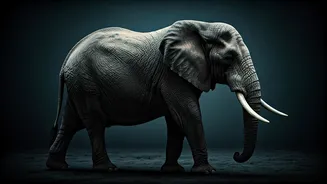
If your first glance locked onto the majestic form of an elephant, it suggests you embody characteristics of stability and quiet strength. Elephants, in symbolism, represent wisdom, resilience, and a profound sense of calm that remains unshaken by turmoil. You are likely perceived as the dependable pillar within your social or professional circles, the one others turn to when facing difficulties. Your approach to tasks is methodical and deliberate, not rushed or impulsive. As a leader, you adopt a protective and thoughtful stance, guiding your 'herd' with measured decisions rather than panic-driven reactions. People trust your steady hand because it's guided by foresight and consideration. However, your unwavering strength might lead others to overlook your own needs. It's important to recognize that even the most robust anchors require occasional maintenance and support to continue functioning effectively. Carrying the weight of others' burdens is a significant responsibility that shouldn't be shouldered alone.
Trees: The Quiet Soul
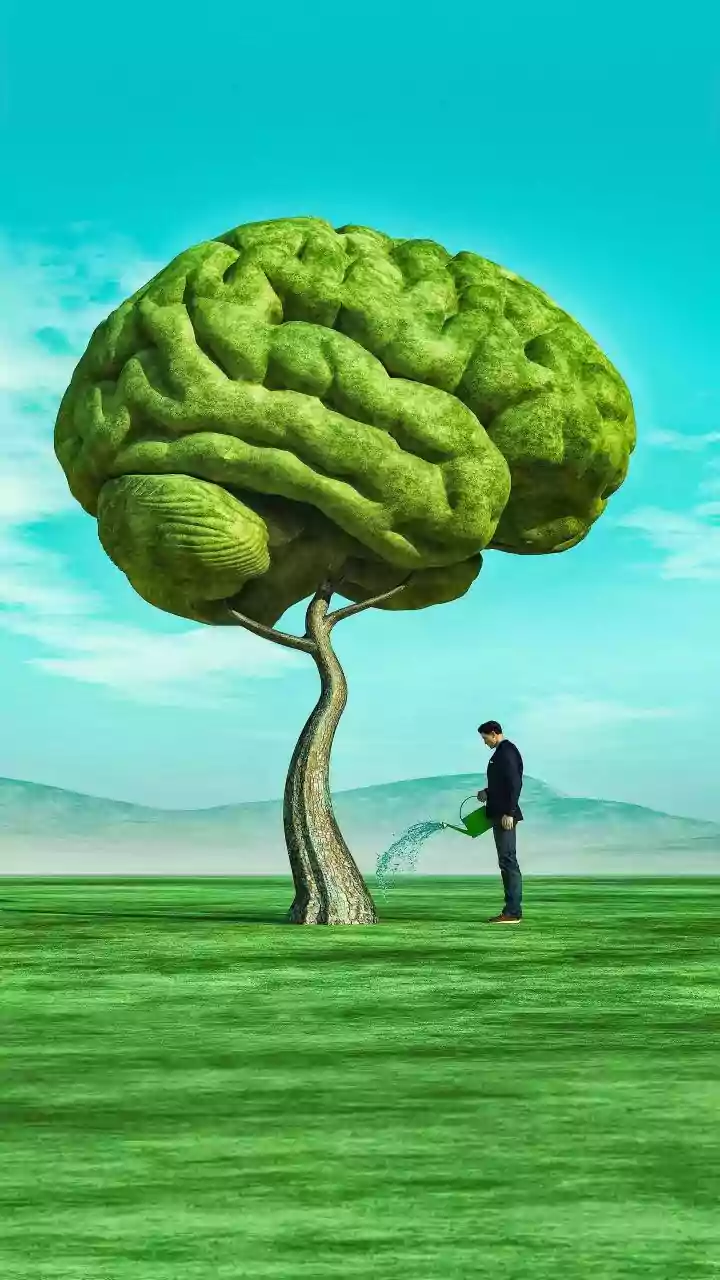
Conversely, if the first element to capture your attention was the serene silhouette of trees, it indicates a more introspective and nature-aligned personality. You likely find solace and rejuvenation in natural environments, perhaps feeling overwhelmed by the constant stimulation of modern life. Your vibe is that of a contemplative individual, often pondering the deeper meanings and 'why' behind everyday occurrences, finding peace in quiet moments and the natural world. Socially, you might lean towards more intimate, one-on-one interactions rather than large gatherings, as extensive social events can be energetically draining, necessitating periods of recovery. Your greatest strength lies in your reflective nature, enabling you to observe intricate patterns and appreciate subtle beauty that others might overlook. This quiet observation fuels a unique creative spark. The caution for a 'quiet soul' is to ensure that while solitude is a source of power, it doesn't lead to isolation. It's crucial to balance introspection with active engagement in the external world and meaningful connections.
Mind's Creative Canvas
The intriguing results of this visual test are rooted in fundamental principles of Gestalt psychology. These principles explain how our brains are wired to actively organize visual input, striving to create coherent and meaningful wholes from what might otherwise appear as chaotic data. Our perception isn't a passive reception of reality; rather, it's an active construction. The brain prioritizes certain elements over others based on ingrained patterns, expectations, and subconscious biases. This preference in interpreting an optical illusion, like the elephant or trees, highlights how our cognitive processes shape our reality and can subtly reflect underlying personality traits and habitual ways of interacting with the world. It’s a playful yet profound demonstration of how our minds continuously interpret and make sense of the visual information presented to us.