



The Prep Predicament
Many home projects begin with the best intentions, aiming for quick fixes like a sticky drawer or a loose hinge. However, the journey often takes an unexpected
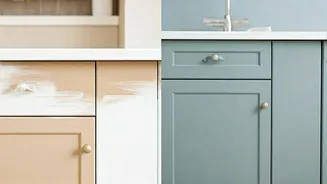
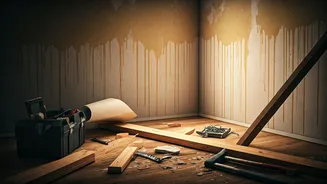
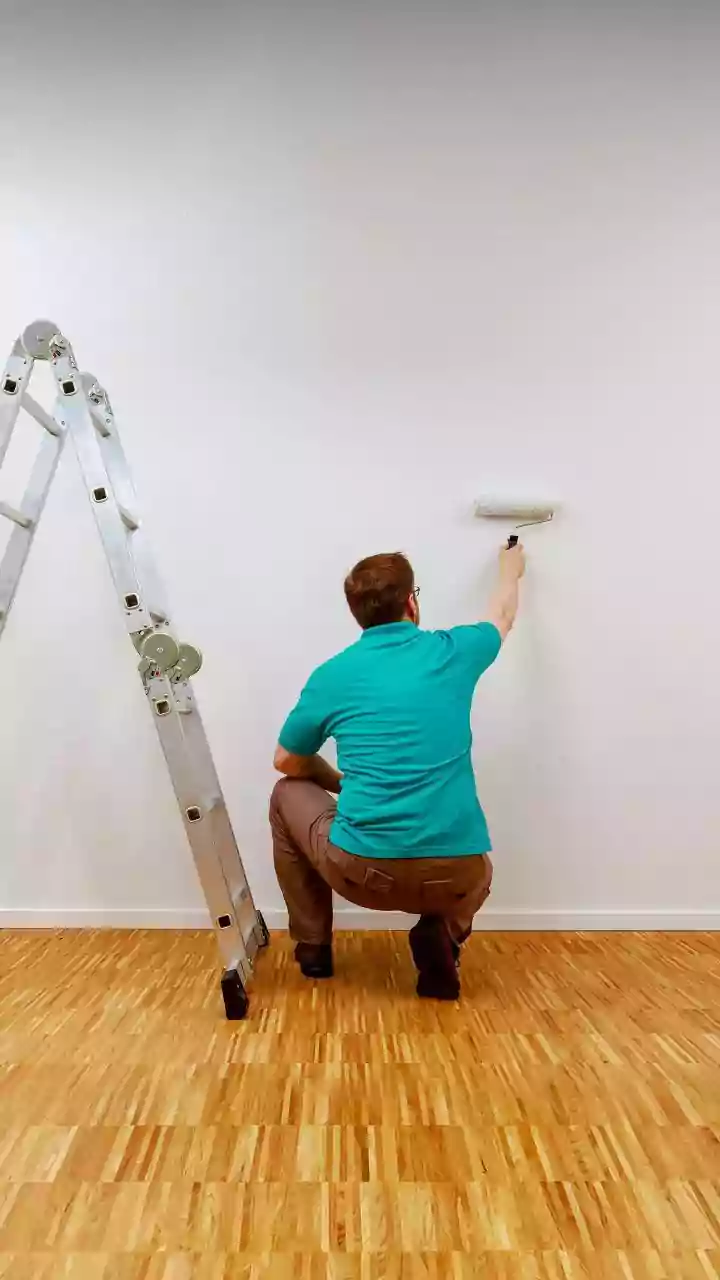
turn, not due to grand errors, but often stemming from overlooked minutiae. Experts consistently point to inadequate preparation as a primary culprit, especially in tasks like painting cabinets. Instead of a quick wipe-down, surfaces demand thorough cleaning and degreasing to ensure paint adheres properly. Skipping this crucial step, as highlighted by various home improvement guides, means the finish will be subpar, requiring more time and effort to correct than the initial preparation would have taken. This principle extends beyond aesthetics; affordable home improvements hinge on meticulous groundwork.
Tool Trouble & Planning Gaps
Beyond the workshop, gardening projects can also become unexpectedly challenging. A common oversight involves employing the wrong tools for the job. For instance, using dull pruning shears can not only make the task of trimming plants arduous but can also inflict damage, hindering plant recovery and health. Research in horticultural science indicates that the right tools, used at the opportune moment, are vital for robust plant growth. Similarly, when embarking on repairs, many DIY enthusiasts leap straight into action after watching a seemingly straightforward tutorial. However, these videos often omit critical details regarding preparation, necessary equipment, and safety precautions. This lack of a comprehensive plan and the underestimation of preparatory steps can turn a simple fix into a complex, time-consuming ordeal, often leading to prolonged processes and potential safety hazards.
Smart Substitutions & Fatigue
A pervasive mistake involves repurposing tools for unintended uses; a screwdriver might be employed as a makeshift lever, or a dull knife forced into service. Such misapplications not only reduce efficiency but also risk damaging the tools themselves. Adhering to the intended use of equipment and performing regular maintenance, as recommended by home improvement resources, are key to maintaining functionality and longevity. Furthermore, advancements in home efficiency, such as improved insulation and energy-efficient lighting, contribute to projects that require less upkeep and offer greater comfort, as indicated by homeowner studies. Even small details, like selecting appropriate cabinet hardware or installing under-cabinet lighting, can significantly enhance both the look and usability of a space without a massive investment. Underlying many of these errors is mental fatigue. As cognitive resources dwindle, decision-making falters, leading individuals to skip steps, rush processes, or opt for quick fixes that lack durability, turning what should be a satisfying endeavor into a draining experience.