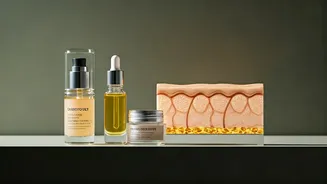







Understanding Hyperpigmentation
Hyperpigmentation, a prevalent concern, manifests as darker skin patches caused by an overproduction of melanin. This can stem from various factors including
sun exposure, acne scarring, hormonal shifts, or even the aging process. For individuals in India, with its melanin-rich skin, this condition is particularly common and can be triggered by environmental factors like intense sun and heat, or even physical friction. It's crucial to distinguish between different types of pigmentation, such as tanning, post-acne marks (PIH), and melasma, as their underlying causes dictate the most effective treatment strategies. Dermatologists emphasize that understanding these triggers is the first step towards successful management and achieving a more uniform skin tone.
Key Ingredients for Radiance
Dermatologists highlight three star ingredients essential for any effective anti-pigmentation formulation: Vitamin C, Niacinamide, and Retinoids. Vitamin C acts as a potent antioxidant, actively working to inhibit melanin synthesis and impart a brightening effect on the skin. Niacinamide, a form of Vitamin B3, excels at soothing inflammation and curbing the transfer of pigment, making it particularly beneficial for post-acne marks. Retinoids, on the other hand, accelerate skin cell turnover, which gradually helps to fade deeper pigmentation and significantly improves overall skin texture and tone. Incorporating products rich in these components can lead to visibly clearer and more luminous skin.
Strategic Skincare Routine
Implementing a strategic skincare routine is paramount for tackling hyperpigmentation effectively. A non-negotiable component is daily sunscreen application, regardless of weather conditions, to shield the skin from harmful UV rays that exacerbate pigmentation. For a morning routine, a stable Vitamin C serum followed by a broad-spectrum sunscreen is recommended. As evening approaches, integrating a Niacinamide serum or a dermatologist-prescribed retinoid can further enhance the fading of dark spots and promote skin rejuvenation. Consistency is key; achieving significant improvements in pigmentation requires patience and diligent adherence to the prescribed regimen.