





Needlepoint's Allure Explained
Needlepoint, a form of counted-thread embroidery, has a rich history, evolving from basic practical applications to artistic expressions. Historically,
needlepoint was used for creating durable textiles, covering furniture, and crafting elaborate decorative items. In the contemporary world of 2026, needlepoint is appreciated for its meditative qualities, the satisfying rhythm of the needle and thread weaving through the canvas, creating intricate designs. It is also favored because of its accessibility; beginners can easily master the basic stitches and gradually improve their skills. The appeal also lies in the versatility of the art form. From cushion covers and wall hangings to accessories and clothing embellishments, needlepoint offers numerous creative possibilities, catering to both the practical and artistic instincts of the crafter. People also like to create a community with each other while working on this form of art. Because of all the reasons explained above, needlepoint has seen a resurgence in popularity.
Getting Started: Essentials
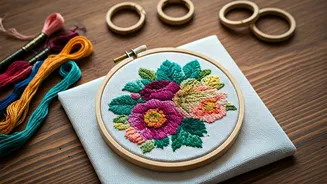
Embarking on a needlepoint journey requires a few essential supplies. Firstly, you will need canvas. Canvas comes in various mesh sizes, with smaller meshes generally being used for finer details. Next, consider selecting yarn or thread. The kind you choose will depend on the final look you're going for and the canvas you selected. Wool, cotton, and silk are popular options, each offering a unique texture and appearance. A needlepoint needle, blunt-tipped to avoid splitting the canvas threads, is another necessary tool. It should be proportional to the yarn you choose. A needlepoint frame or stretcher bars will keep the canvas taut, making the stitching easier and more consistent. Beyond these core materials, scissors for cutting the thread, a tapestry needle for weaving in the ends, and a design to follow are also essential. You can either purchase kits that include all the materials you need or you can select individual items that fit your preferences.
Mastering Basic Techniques
Needlepoint is built upon a few foundational stitches, the most crucial being the continental and basketweave stitches. The continental stitch, worked diagonally across the canvas, is versatile and effective for filling in shapes. The basketweave stitch, also worked diagonally but alternating directions, provides a more durable and textured finish, often preferred for larger areas. Beyond these, you may want to learn a few more. The tent stitch is a good one to start with, as it's the foundation for many needlepoint designs. Experimenting with different stitches, such as the vertical, horizontal, and diagonal, can add depth and detail to your work. A vital aspect of needlepoint is the tension. Keeping your stitches consistent and avoiding pulling the yarn too tight or too loose ensures a smooth and professional finish. You will also have to learn how to change yarn, how to fix mistakes, and how to finish your work, all of which come with practice.
Designing Your Projects
Choosing or creating a design is a significant part of the needlepoint process. You can select pre-made patterns from needlepoint shops, or online resources, which will give you a clear roadmap to follow. Alternatively, you can create your own designs, using graph paper or design software to plot your stitches. When creating your own patterns, consider the scale of your design in relation to the canvas mesh. Simple designs are often ideal for beginners, while more complex patterns are better suited for those with experience. Colour selection also has a big role to play. Think about the overall colour scheme, considering how different colours will interact with each other and how they will enhance the subject of your piece. Experiment with different yarn weights and textures to add interest to your design. Keep in mind that needlepoint is a journey and you will slowly get better as you progress. So don't be afraid to take risks and explore new ideas.
Finding Inspiration and Resources
In the digital age of 2026, a wealth of resources supports the needlepoint community. Social media platforms like Instagram and Pinterest are great places to find inspiration from other stitchers, showcasing finished projects and design ideas. Dedicated websites and online forums offer patterns, tutorials, and advice. Visiting local needlepoint shops, though more of them are becoming available in 2026, can provide personalized guidance and a sense of community. Books and magazines dedicated to needlepoint provide detailed instructions, patterns, and profiles of accomplished needlepoint artists. Participating in workshops or classes, either in person or online, offers the chance to learn from experts and to connect with other enthusiasts. This will improve your skills as well as expose you to new techniques and ideas. The needlepoint community is also friendly, which will make your learning process smooth and easy.