



Plastic Containers & Utensils
Many plastics, especially older or low-quality ones, pose a significant risk due to the potential leaching of harmful chemicals like BPA, BPS, and phthalates.
This chemical release is exacerbated when plastics are exposed to heat, oily, or acidic foods, common in cooking. These substances are known endocrine disruptors, meaning they can interfere with your body's hormonal balance, potentially impacting fertility, weakening your immune system, and contributing to various health issues such as infertility, diabetes, obesity, high blood pressure, and an increased risk of certain cancers. Black plastic, often derived from recycled electronic waste, can be particularly concerning due to potential toxicity. For a healthier alternative, consider storing food in containers made from glass, ceramic, or stainless steel. It's also advisable to avoid microwaving any plastic items, even if they are labeled as microwave-safe.
Damaged Non-Stick Pans
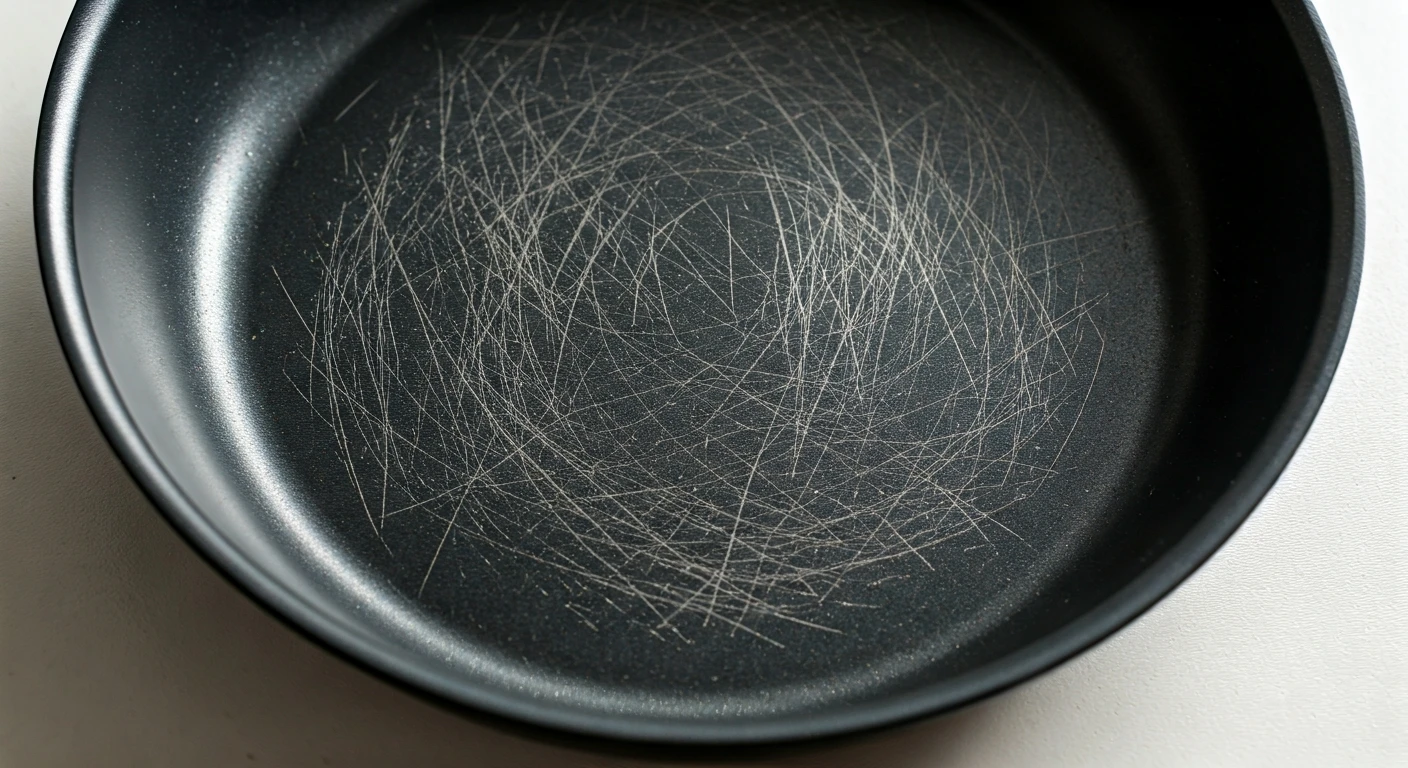
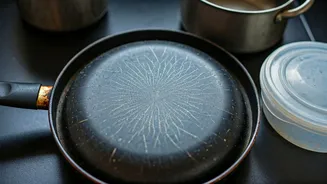
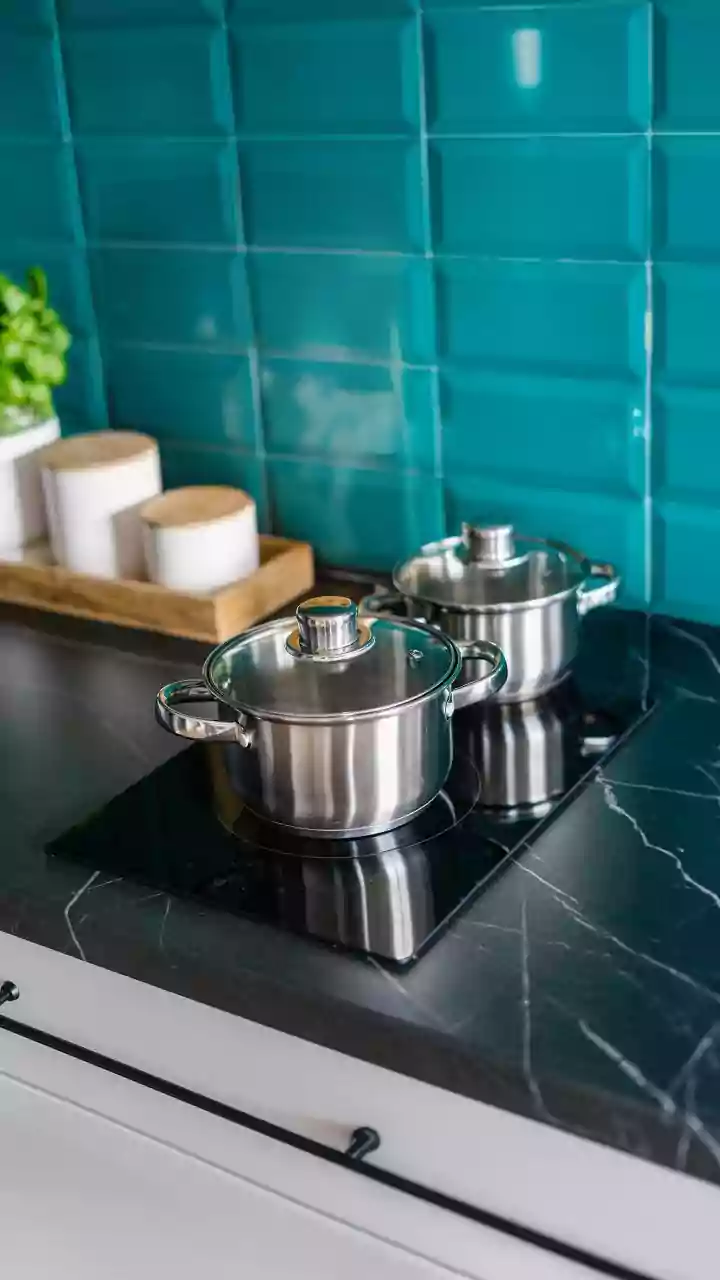
Over time, non-stick cookware, particularly older models containing chemicals like PFOA and PFAS, can become a health hazard. When the non-stick coating gets scratched or chipped, these harmful chemicals can leach into your food. These persistent chemicals can accumulate in the body, leading to serious long-term health consequences. Studies have linked them to a range of issues, including disruption of hormone function, adverse effects on the immune system, and potential long-term toxicity. Furthermore, overheating these pans can release toxic fumes that are detrimental to your health. It is recommended to switch to cookware made from safer materials such as stainless steel, cast iron, glass, or ceramic. Always avoid overheating your cookware and discard any pans that show signs of damage.
Worn-Out Chopping Boards
Discarding your old plastic cutting boards is a crucial step towards a healthier kitchen. Over prolonged use and exposure to cutting actions, these boards can degrade, leading to the release of microscopic plastic particles, or microplastics, into your food. These microplastics can then be ingested, raising concerns about potential inflammation within the body and overall toxicity. There's also a risk of hormone disruption associated with their presence. To mitigate these risks, opt for cutting boards made from more natural and safer materials like wood or glass. These alternatives are less prone to degradation and are generally considered more hygienic and less likely to contaminate your food.
Aluminum Foil Use
While aluminum foil is a convenient kitchen staple, its use, particularly with acidic foods or at high temperatures, can pose health risks. During cooking or reheating, aluminum can leach into your meals. Prolonged exposure to this leached metal has been linked to neurological concerns and a potentially increased risk of developing Alzheimer's disease. Beyond health implications, aluminum foil is also a significant environmental concern due to its non-biodegradable nature. For a healthier and more sustainable approach, consider using parchment paper for baking purposes. When it comes to storing food or reheating leftovers, opting for glass or silicone containers is a much safer and eco-friendly alternative.