






Insulin Resistance Explained
At its core, managing type 2 diabetes revolves around effectively utilizing insulin, a hormone crucial for converting glucose into energy. Many individuals
diagnosed with this condition initially still produce insulin, but their bodies struggle to use it efficiently. This phenomenon is known as insulin resistance. When the body becomes resistant, glucose can build up in the bloodstream, leading to elevated blood sugar levels. Fortunately, for some, adopting a healthier lifestyle can significantly improve insulin sensitivity. By embracing a balanced diet, engaging in regular physical activity, and maintaining a healthy weight, the body can regain its ability to respond better to the insulin it produces. This enhanced response can help regulate blood glucose levels, potentially averting the need for external medication in the early stages of the disease.
Pancreas Function Decline
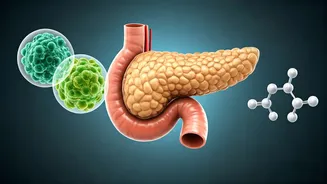
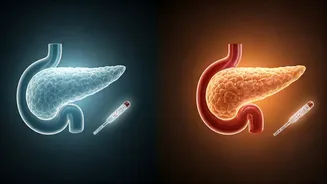
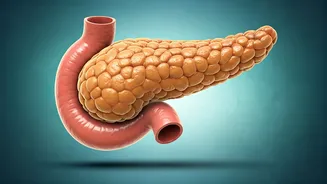
Over time, the pancreas, the organ responsible for producing insulin, can experience a decline in its function. In some individuals with type 2 diabetes, this decline is more rapid than in others, leading to a point where their body simply cannot produce enough insulin to meet its needs. When this happens, lifestyle adjustments alone may no longer be sufficient to keep blood sugar levels within a healthy range. At this juncture, medical interventions, such as insulin injections or other prescribed medications, become necessary to ensure adequate glucose control and prevent potential complications associated with prolonged hyperglycemia.
Influencing Factors
Several interconnected factors contribute to whether an individual with type 2 diabetes will eventually require insulin. The duration of the disease plays a significant role; the longer someone has lived with diabetes, the greater the likelihood of a decrease in natural insulin production. Additionally, genetic predispositions, the age at which the diagnosis was made, an individual's body weight, and their overall metabolic health all exert influence. For instance, a person diagnosed at a younger age or presenting with exceptionally high initial blood sugar levels might find that medical intervention, including insulin, is needed sooner rather than later to effectively manage the condition and mitigate risks.
Myth Busting Insulin
There exists a prevalent misconception that needing insulin signifies a severe progression of type 2 diabetes or a personal failure in managing the condition. Many mistakenly view insulin as a last resort. In reality, insulin is simply another valuable tool in the medical arsenal for controlling blood sugar effectively. Diabetes is often characterized as a progressive illness, meaning that treatment plans may need to evolve over time to remain optimal. The ultimate objective remains consistent: achieving stable blood glucose levels and preventing long-term health issues. Whether managed through diet and exercise or supplemented with insulin, regular monitoring, a nutritious diet, consistent physical activity, and professional medical advice are paramount for maintaining well-being.