




The 'Clean' Illusion
For years, the beauty industry convinced consumers that anything synthesized in a laboratory was inherently harmful, while natural, minimalist products
were the only path to true wellness. This narrative, however, was largely a marketing ploy, often referred to as 'greenwashing.' While environmental consciousness, sustainable sourcing, biodegradable packaging, and cruelty-free practices are vital aspects of responsible beauty (often termed 'green beauty'), 'clean beauty' focused on debunking chemistry and instilled a fear of synthetic ingredients. This led to products with compromised integrity, resulting in issues like unstable formulations, separated creams, and oils that spoiled prematurely, all at a premium price point.
The Rise of Preservation
The beauty landscape is experiencing a significant pivot, moving away from the idea that natural equates to superior. Consumers are now actively seeking the assurance that comes with scientifically formulated products, recognizing that the absence of preservatives can lead to detrimental outcomes. Instead of viewing preservatives with suspicion, the discerning user now sees them as essential for product stability and safety, preventing microbial contamination and degradation. Ingredients like parabens, once demonized, are now appreciated for their role in maintaining the integrity and efficacy of skincare formulations throughout their shelf life, ensuring they remain effective and safe from the moment of purchase until their intended use.
Engineered for Efficacy
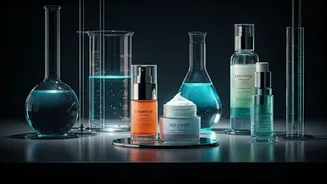
Consumer spending habits clearly reflect a weariness with the 'clean beauty' trend. The appeal of earnest, plant-based indie brands is waning, as people now gravitate towards the advanced formulation and proven benefits of lab-developed ingredients. For instance, the robust, stable forms of Vitamin C and engineered ceramides are now more sought after than generic cold-pressed oils. This preference is driven by a desire for demonstrable and measurable results. The 'clean beauty' marketing often played on anxieties about aging and vanity, creating a false sense of purity. The new luxury in skincare lies not in an unverified claim of naturalness, but in expertly crafted synthetic formulas that consistently deliver on their promises, backed by scientific innovation and rigorous testing.