






Collagen: The Science
The notion that consuming collagen-rich foods directly translates to plumper skin is largely a misconception. When you ingest collagen, your digestive
system diligently breaks it down into its fundamental amino acid components. These amino acids are then absorbed into your bloodstream, ready to be utilized by your body for various functions – not exclusively for skin repair. A study highlighted that while some improvements in skin elasticity and hydration were observed, the mechanism isn't a direct transfer of consumed collagen. Instead, the benefits are believed to stem from stimulating your body's own dermal fibroblasts, the cells responsible for producing collagen, rather than adding ingested collagen directly to your skin structure. Therefore, the idea of a direct pipeline from bone broth to your complexion is not supported by scientific understanding.
Debunking Food Myths
Many foods promoted on social media for their supposed collagen-boosting properties often fall short of expectations. Bone broth, while containing some collagen, has minimal amounts that survive digestion to benefit the skin, and many commercial versions are high in sodium. Chicken skin, far from enhancing skin elasticity, is more likely to contribute to weight gain and cholesterol concerns. Processed items like stock cubes and gelatin sweets might contain collagen derivatives, but their high sugar and sodium content can negate any potential benefits and even harm your skin. Tinned fish, though nutritious, isn't a concentrated collagen source; consuming enough for a noticeable effect would expose you to excessive mercury and sodium. The focus should shift from these specific items to a broader dietary approach.
Essential Nutrients for Synthesis
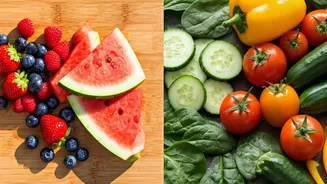
To effectively support your body's natural collagen production, a diverse and nutrient-rich diet is paramount. Vitamin C is an indispensable cofactor in collagen synthesis; without sufficient intake, your body simply cannot create stable collagen molecules, regardless of other dietary efforts. Excellent sources include citrus fruits, berries, bell peppers, and leafy greens. Equally important are balanced protein intake from varied sources like lean meats, fish, eggs, legumes, and dairy, providing the necessary amino acids. Trace minerals such as copper and zinc also play critical roles in the formation of collagen, found in nuts, seeds, shellfish, and whole grains. Prioritizing these foundational nutrients ensures your body has the raw materials it needs.
Protecting Your Collagen
Beyond building new collagen, safeguarding your existing collagen is crucial. Ultraviolet (UV) radiation from the sun is a primary destroyer of collagen fibers, making them stiff and weak. Daily application of broad-spectrum sunscreen is therefore non-negotiable; it's a far more effective strategy than any dietary supplement alone. Furthermore, adequate antioxidant-rich foods, such as berries, tomatoes, dark leafy greens, and sweet potatoes, help combat free radical damage that can degrade collagen. Minimizing sugar consumption is also vital, as excess sugar leads to glycation, a process where sugar molecules bind to collagen, impairing its structure and function. Prioritizing these protective measures ensures the collagen you have is preserved.
Lifestyle's Crucial Role
Your daily habits significantly influence collagen production and maintenance. Quality sleep is a critical period where your body actively ramps up collagen synthesis; consistently insufficient sleep directly hinders this natural regenerative process. Maintaining good hydration is also key, as water aids in transporting nutrients to skin cells and keeps collagen fibers supple and flexible. Ultimately, cultivating a lifestyle that prioritizes these internal and external protective factors, alongside a nutrient-diverse diet, offers a more sustainable and scientifically supported path to healthy, resilient skin than chasing fleeting food trends.