






Picking Prime Cuttings
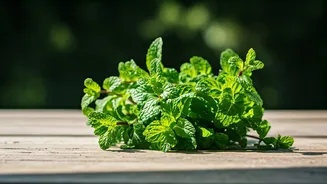
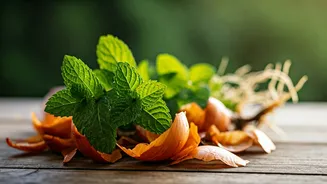
Embarking on your mint-growing adventure begins with selecting the most promising stem cuttings. Seek out healthy, vibrant green stems, typically ranging
from four to six inches in length, harvested from a fresh bunch. It's crucial that these stems are firm and free from any signs of wilting, yellowing, or spoilage, as these indicators suggest the cutting won't thrive. Steer clear of any stems that have already begun to flower, as their energy is already directed towards reproduction, making them less likely to establish roots successfully. After selecting your ideal cuttings, prepare them by gently removing the lower leaves, leaving only a cluster of leaves at the very top. This essential step deters rot and redirects the plant's vital energy into developing a robust root system, setting the stage for future growth.
Water Rooting Magic
A remarkably simple and effective method to kickstart your mint propagation is by rooting the prepared cuttings directly in water. Take your trimmed stems and place them in a clean glass or jar, ensuring the bottom inch or so of the stem is submerged in fresh water. It's vital to keep the leaves well above the water's surface to prevent them from decaying. Position this vessel in a location that receives bright, indirect sunlight, such as a well-lit windowsill. To maintain a healthy environment for root development, make it a habit to change the water every few days, keeping it clean and oxygenated. Within approximately a week, you should begin to observe the emergence of tiny, white roots forming along the submerged stem. Once these roots reach about an inch or more in length, your mint cuttings are ready to be transplanted into soil, although you can certainly allow them to grow longer in water if you find the visual progress of the roots particularly rewarding.
Planting in Pots
Once your mint cuttings have developed a satisfactory root system, the next step is to transition them into a small pot filled with well-draining soil. Select a container that features at least one drainage hole at the bottom to prevent waterlogging, which can be detrimental to root health. Use a light potting mix; heavy garden soil is not ideal as it can retain too much moisture. Carefully bury the rooted stem into the soil, ensuring that the root ball is covered and the soil level comes up to just below the lowest set of remaining leaves. Gently water the newly potted plant and place it in a spot that receives a few hours of gentle morning sun. For optimal growth, aim to keep the soil consistently moist but never saturated, ensuring it doesn't become waterlogged.
Encouraging Bushy Growth
To cultivate a lush and bushy mint plant rather than one that grows tall and spindly, a key technique is regular pinching. As your mint plant matures, consistently pinch off the top leaves. This action signals to the plant to branch out from the leaf nodes, resulting in a more compact and fuller appearance. As the roots continue to expand and fill the pot, you can gradually transplant the mint to larger containers, providing more space for its eventual growth. This ongoing care ensures the plant remains productive and aesthetically pleasing, maximizing your harvest potential and greenery.
Harvesting for More
The secret to achieving an endless supply of mint lies in a specific harvesting strategy. It's crucial to never remove more than a third of the plant's foliage at any single time. Always make your cuts just above a leaf node – the point where a leaf stem emerges from the main stem. This targeted pruning encourages the plant to develop new shoots and branches, leading to a more robust and bountiful harvest. Beyond promoting new growth, regular harvesting also contributes to maintaining the freshness and flavor of the mint leaves, preventing them from becoming woody or developing a bitter taste. This mindful approach ensures your mint plant remains a productive and vibrant addition to your balcony garden.
Keeping Mint Happy
While mint is notoriously resilient, providing it with a few basic environmental conditions will ensure it thrives. Position your mint plant in a location that benefits from bright light and good air circulation. It's essential to prevent the soil from drying out completely, but equally important to avoid waterlogged conditions. Signs like brown leaf edges might indicate a need for more water or perhaps less intense direct sunlight. Every few months, consider refreshing the soil or even dividing the plant if it becomes overcrowded. This rejuvenation process helps maintain soil nutrients and prevents the plant from becoming stressed, ensuring continued healthy growth and ample harvests for extended periods.