




Why Damp Dusting Wins
Traditional dusting methods, often relying on feather dusters or dry cloths, inadvertently worsen the problem. These tools tend to agitate dust particles,
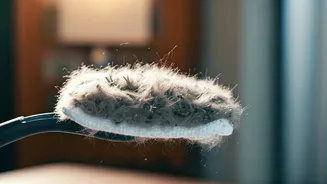
lifting them into the air where they can be inhaled or quickly resettle on surfaces. This creates a frustrating cycle of constant cleaning with minimal lasting results. Many homeowners have rediscovered the efficacy of a long-standing trick: damp dusting. By merely moistening a cleaning cloth before use, you can halt the continuous propagation of dust. This technique doesn't require any special adhesives; its effectiveness stems from the inherent physical properties of a slightly damp surface, which has a much greater capacity for collecting allergens and fine particles. In contrast, dry dusting can actually generate static electricity through friction, which repels dust rather than capturing it. A damp cloth, however, neutralizes these electrostatic forces, providing a reliable grip that ensures all disturbed dust remains firmly within the cloth until it's laundered.
The Physics of Allergen Capture
The common experience of sneezing during cleaning is directly linked to the ineffectiveness of dry dusting. Research indicates that dry dusting techniques, along with certain spray products, significantly elevate indoor air pollution levels. Instead of collecting dust, these methods essentially aerosolize it, dispersing it throughout the environment to settle elsewhere. Conversely, employing a damp cloth or an electrostatic cloth fundamentally alters this dynamic. The moisture acts as a cooling agent, mitigating the static electricity that can otherwise repel fine dust particles. Scientific studies have demonstrated that materials engineered with specific properties for allergen collection are highly efficient. By preventing particles from becoming airborne, damp dusting cultivates a cleaner living space and improves overall indoor air quality. This method is particularly beneficial for households sensitive to dust or pet dander, as the added moisture helps dust fibers adhere to the cloth, making them heavier and preventing them from simply being moved around. It ensures that dust is truly extracted from your environment, rather than redistributed.
Humidity and Static Balance
While moisture is a key asset in dust removal, the overall effectiveness of cleaning is also influenced by ambient atmospheric conditions. Studies exploring the relationship between air humidity and cleaning efficiency suggest that while a damp surface aids in trapping dust, excessively high humidity can make dust particles heavier and more challenging to manage with tools that rely on static attraction. For optimal results, the cloth should be merely damp to the touch, not saturated. Overly wet cloths can leave streaks and potentially foster mold growth in concealed areas. Achieving this moderate dampness creates a surface that mirrors the principles explored in research on nature-inspired textures and static forces for dust capture. To maximize cleaning efficiency, begin with the highest surfaces in a room and work your way downwards, ensuring any errant particles fall onto yet-to-be-cleaned areas. High-quality microfiber cloths are excellent DIY choices, as their fine fibers are naturally adept at trapping dust, and a light mist of water or a natural cleaning solution amplifies this capability. This straightforward, science-backed technique proves that achieving a dust-free, allergen-managed home doesn't require expensive gadgets, just a smart adjustment to your cleaning routine.