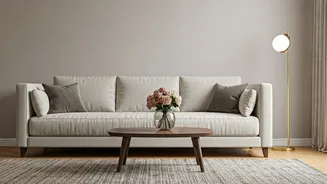







Declutter and Refresh
The first step toward a more appealing home is a thorough decluttering session. Start by removing any items that no longer serve a purpose or bring you
joy. This not only creates physical space but also allows you to reassess what truly matters in your home. Once you've decluttered, take the opportunity to refresh your space. A simple rearrangement of furniture can drastically change the room's feel. Consider repainting a wall in a warmer tone or adding new, soft furnishings like cushions and throws. This provides an immediate sense of renewal and warmth without major renovations. Furthermore, ensure that every item has a designated place. This helps maintain order and prevent future clutter, contributing to a consistently tidy and inviting home environment. Consider adding mirrors to reflect more light and make space feel larger, thus creating a brighter and more welcoming home.
Embrace Natural Light
Maximizing natural light is a game-changer when it comes to home design. Natural light instantly makes any space feel more open, airy, and welcoming. Begin by assessing your windows: ensure they are clean, and consider removing heavy curtains that block sunlight. Instead, opt for lighter window treatments, such as sheer curtains or blinds that allow natural light to filter through gently. Position furniture to take full advantage of the sunlight. For instance, place your reading nook near a window to create a cozy and well-lit space. Furthermore, use mirrors strategically. They reflect light and can amplify the natural brightness throughout the room, especially in darker corners. Plants also have a key role to play in enhancing natural light. By bringing greenery into your home, you not only improve the air quality but also visually connect your space with the outdoors, making it feel more alive and bright.
Add Texture & Textiles
Introduce texture through textiles to add warmth and depth to your interiors. The use of various materials, such as soft, cozy fabrics, can dramatically improve the comfort and visual appeal of your rooms. Consider adding plush rugs, textured throws, and cushions with different patterns and weaves. These items not only introduce visual interest but also make your space feel more inviting and comfortable. Varying the textures of these fabrics can also help to create balance and a more visually dynamic setting. For instance, a velvet couch can be complemented by linen cushions or a knitted blanket. Furthermore, think about adding tactile elements like woven baskets, wooden accents, or stone accessories. These items provide a sense of depth and character to your décor, adding a layer of sophistication. Textures also play a crucial role in improving acoustics, helping to absorb sound and make your home more peaceful and relaxing.
Introduce Warm Colors
Employing a warm color palette can instantly make any room feel cozier and more inviting. Warm hues such as terracotta, cream, or beige can create a welcoming atmosphere. Begin by considering painting your walls a warm, neutral color, which can serve as a versatile backdrop for your decor. You can also add warmth through accent pieces, such as cushions, throws, or decorative items, incorporating shades of orange, yellow, or red. Moreover, don't overlook the power of wood tones in furniture and accessories. The natural warmth of wood can provide a grounding effect and add a sense of natural comfort to any space. Be careful not to overwhelm your space with bold colors. Balance them with cooler elements or neutral shades to maintain a sense of harmony. The combination of warm and cool tones, textures, and natural elements is an effective way to create a well-balanced and aesthetically pleasing home environment.
Incorporate Greenery Strategically
Houseplants can transform a space, adding life, color, and a sense of freshness to your home design. Select plants that suit your lifestyle and available lighting conditions. Low-maintenance options, such as snake plants or pothos, are ideal for beginners, while those with more experience might consider options like ferns or orchids. Strategically place your plants to create visual interest. A tall plant can add height to a corner, while a group of smaller plants can enhance a tabletop or shelf. Consider the containers you use. Stylish pots can blend seamlessly into your decor, further elevating the look. In addition to their aesthetic benefits, plants also improve indoor air quality, contributing to a healthier living environment. Furthermore, ensure that the plants are well-cared for, as healthy plants can add more vibrancy to the home. The integration of plants provides a natural, calming element that enhances the overall mood of the space.
Personalize with Art
Infuse personality into your home by incorporating art and personal mementos. Displaying artwork that reflects your taste and interests will make the space more inviting and a reflection of your personality. Consider the size, style, and color palette of your art pieces and how they will complement your existing decor. Create gallery walls using a variety of frames, sizes, and styles. This is an excellent way to showcase a collection of photographs, prints, or paintings. Don’t be afraid to experiment with different arrangements until you find the perfect layout. In addition to artwork, include other personal touches like souvenirs from your travels, family heirlooms, or handcrafted items. These items create a sense of history and individuality, making your home more unique. Make sure the art and mementos are displayed in a way that allows them to tell a story and create a visual narrative throughout your space.
Focus on Lighting
Proper lighting plays a vital role in setting the mood and enhancing the aesthetics of your home. It’s important to combine different types of lighting to create a layered and inviting atmosphere. Start with ambient lighting, such as overhead fixtures or recessed lighting, to provide general illumination throughout the room. Supplement this with task lighting, which focuses on specific areas, like a reading lamp next to a chair or pendant lights over a kitchen island. Accent lighting, such as spotlights or wall sconces, can be used to highlight artwork or architectural features. Consider installing dimmers on your lights to allow for flexible mood control and to conserve energy. The style and design of your lighting fixtures are just as important as the type of light they emit. Choose fixtures that complement your decor and add a touch of personality to your space. Strategically placed lights, combined with natural light, can truly transform your home into a welcoming and stylish sanctuary.
Optimize Storage Solutions
Maximize the functionality and aesthetics of your home by integrating smart storage solutions. Efficient storage helps reduce clutter and promotes a more organized and serene environment. Invest in versatile storage options, such as shelves, drawers, and baskets. Closed storage units are effective for hiding items out of sight, helping the room look cleaner and more organized. Opt for multi-functional furniture, such as ottomans with built-in storage or beds with under-bed drawers. Consider storage solutions that fit the aesthetic of your space. Matching storage baskets or cabinets in a consistent color scheme will look more cohesive. Take advantage of vertical space by installing shelving units on walls. Incorporate storage elements in areas often overlooked, such as under the stairs, or behind doors. Make sure every item has a dedicated spot, to keep it from cluttering the home. Well-designed storage solutions help to maintain order and contribute to a more calming living environment.
Create Zones for Life
Creating defined zones within your home can improve both functionality and visual appeal. Start by assessing your lifestyle and determining the activities you engage in most often. For instance, designate a cozy reading nook, a functional workspace, or a relaxing lounge area. Use furniture and decor to define these zones. A rug can visually separate a seating area, while a desk can define a home office. Consider using room dividers like screens or bookshelves to create distinct spaces within a larger room. Ensure each zone has appropriate lighting, comfortable seating, and the necessary accessories to support its intended use. Arrange your furniture to encourage interaction and a sense of flow within each zone. This helps make the space more user-friendly and inviting. Moreover, incorporate elements from different zones into the overall design, ensuring a cohesive and harmonious atmosphere throughout your home. Well-defined zones make it easier to enjoy each activity and create a more organized and pleasant living experience.