




Container Choices Matter
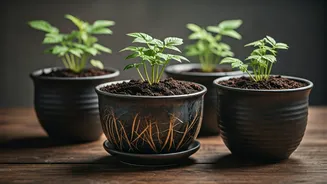
Embarking on your balcony strawberry adventure begins with selecting the ideal vessel for your plants. Opt for pots that are approximately 10 to 12 inches
deep, crucially equipped with sufficient drainage holes. This prevents waterlogging, a common pitfall that can lead to root rot and stunt healthy development. Beyond traditional pots, consider space-saving alternatives like hanging baskets, flexible grow bags, or ingenious vertical planters. These options not only maximize your limited balcony real estate but also ensure your strawberry plants receive the vital airflow and sunlight necessary for robust growth and abundant, flavourful fruit production. Making the right container choice sets the stage for a successful and productive urban garden.
Soil Foundation for Success
The bedrock of any thriving strawberry plant is its soil. For balcony cultivation, aim for a soil mix that is loose, rich in nutrients, and remarkably well-draining. A blend incorporating garden soil, ample compost for essential nutrients, and either cocopeat or sand will create the perfect balance of aeration and moisture retention. Strawberries flourish in soil that is slightly acidic, which promotes superior fruit development and overall plant vitality. It's important to steer clear of heavy, compacted garden soil, as it can impede root expansion within the confines of a container, hindering the plant's ability to access water and nutrients effectively. Crafting this supportive soil environment is key to unlocking your strawberry plants' full potential.
Sunlight: The Fruiting Fuel
Sunlight is the indispensable ingredient for coaxing sweet, delicious strawberries from your plants. Position your containers in a location on your balcony that receives a minimum of 6 to 8 hours of direct sunshine daily. South or west-facing balconies typically offer the most favourable light exposure, crucial for photosynthesis. This ample sunlight is not merely about survival; it actively encourages flowering, significantly enhances the quality and sweetness of the developing fruits, and ultimately boosts the overall yield you can expect. Ensuring your plants soak up enough rays is a direct investment in the tastiness and quantity of your homegrown harvest.
Watering Wisdom
Maintaining consistent moisture levels is paramount for keeping your strawberry plants healthy and productive. The soil should feel consistently damp, akin to a wrung-out sponge, but never saturated or waterlogged. A good rule of thumb is to water when the uppermost layer of soil begins to feel dry to the touch, which may require daily watering during warmer periods. To further promote plant health and ward off common fungal diseases, it's best to water in the early morning and make an effort to keep the foliage as dry as possible. This mindful approach to watering ensures your plants have the hydration they need without succumbing to detrimental moisture-related issues.
Feeding for Fruitfulness
To encourage prolific fruit production, your strawberry plants will benefit from regular nutritional support. Incorporating a balanced liquid fertilizer or a slow-release organic option every few weeks will provide the essential nutrients for robust growth and abundant flowering. However, exercise caution with nitrogen-rich fertilizers, as an excess can stimulate excessive leaf growth at the expense of fruit development. A well-balanced feeding regimen not only enhances the size of your strawberries but also strengthens the overall resilience and vitality of your plants, ensuring a more satisfying harvest.
Mulching and Runner Management
Applying a layer of mulch around your strawberry plants offers several key benefits. Materials like straw, dry leaves, or coco husk help to conserve soil moisture, reducing the frequency of watering, and also serve to keep the developing fruits clean by preventing them from touching the soil directly. Additionally, strawberry plants naturally send out runners, which are long stems that sprout new baby plants. While this is a natural propagation method, for optimal fruit production on your main plant, it's advisable to remove excess runners. This strategic removal redirects the plant's energy from vegetative spread to producing larger, sweeter fruits, leading to a more rewarding harvest.
Harvesting Ripe Delights
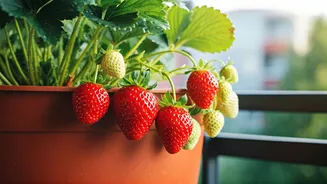
The culmination of your gardening efforts is the harvest, and timing is crucial for enjoying the best flavour. Wait until your strawberries are a deep, uniform red colour, indicating full ripeness. Unlike some fruits, strawberries do not significantly ripen further after being picked, so harvesting them at their peak ensures maximum sweetness and taste. Regular harvesting also has a beneficial effect on the plant itself; it encourages the plant to continue producing more flowers and, subsequently, more fruit throughout the growing season. This continuous cycle means you can enjoy your delicious homegrown strawberries for an extended period.