


Lanolin: Wool's Moisturizing Power
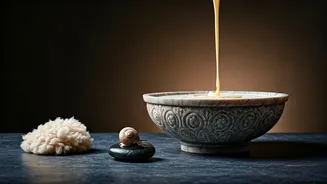
Long before modern cosmetics, the Romans harnessed the power of lanolin, a substance derived from sheep's wool, as a potent night moisturizer. This natural
emollient was crucial for fortifying the skin's protective barrier and delivering profound hydration, leaving skin feeling remarkably soft and safeguarded. Although its aroma was not particularly appealing, its efficacy in sealing in moisture and reinforcing the skin's defenses was unparalleled. Today, lanolin remains a valuable ingredient found in numerous lip balms and intensive skin creams, testament to its enduring benefits for skin conditioning and protection.
Cleopatra's Milk Baths
The legendary Egyptian queen, Cleopatra, famously incorporated milk into her bathing regimen, opting for fresh milk instead of water to maintain her skin's supple texture and luminous glow. This ancient practice capitalized on the exfoliating properties of lactic acid present in milk. By gently sloughing away dead skin cells, milk revealed the fresher, more vibrant skin beneath, contributing to a radiant complexion over time. This time-honored technique highlights milk's natural capacity to enhance skin's smoothness and overall radiance, a principle still appreciated in contemporary skincare.
Snail Mucus Facials
The now-popular trend of snail slime facials has roots stretching back centuries. In ancient times, women would allow snails to roam directly across their faces to reap the benefits of their mucus. This secretion is rich in beneficial components such as peptides, antioxidants, and hyaluronic acid, all vital for repairing the skin barrier, providing deep hydration, and combating signs of aging. While modern beauty products refine this ingredient into serums, the core principle of utilizing snail mucus for its restorative and rejuvenating properties has persisted through millennia.
Honey's Healing Touch
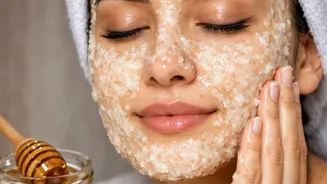
With a history of use spanning over 15,000 years, honey was a staple in ancient skincare routines, applied directly to the face for its remarkable moisturizing, healing, and antibacterial attributes. This natural ingredient promoted calmer, clearer, and thoroughly hydrated skin. Beyond cosmetic applications, ancient cultures also utilized honey to treat wounds, a practice that, despite the initial stickiness and discomfort, proved incredibly effective due to honey's potent antimicrobial properties that facilitated rapid healing. Its dual benefits for skin health and wound care underscore its enduring value.
Animal Residues for Skin
Ancient beauty practices sometimes incorporated less conventional ingredients, including various animal residues, into skincare. In certain cultures, substances like crocodile and cow dung, alongside goat and camel milk, were utilized for their nourishing and exfoliating capabilities. While these methods might seem extreme today, they highlight a deep understanding of natural ingredients. Fortunately, the most commonly used and celebrated animal-derived ingredients from ancient times, such as honey and milk, continue to be revered for their gentle yet powerful effects on the skin in modern beauty.