





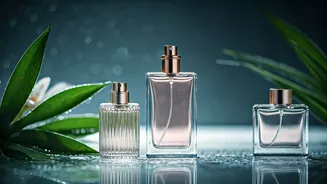
Beyond Girly Scents
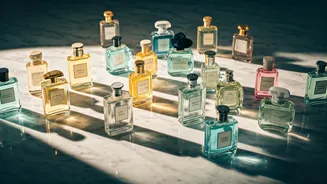
Traditionally, my perfume collection leaned heavily towards sweet, gourmand, and overtly feminine aromas. This preference often led to being perceived
as immature in fragrance circles, a label I found limiting. My curiosity grew about what truly defined a 'cool' scent, especially since fashion offers clear stylistic cues, but fragrance perception is far more subjective. This led me to experiment with scents beyond my usual sweet palette, venturing into woody, aquatic, green, and clean notes. The goal was to find a fragrance that exuded effortless style, much like a well-chosen piece of clothing. Surprisingly, the most significant positive attention came from an unexpected corner: the men's fragrance aisle.
The Compliment Phenomenon
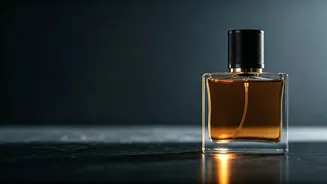
The shift was immediate and striking. On the very first day I wore Dior Homme Parfum, a fragrance known for its sophisticated appeal, I received an unprecedented level of inquiries about my scent. People approached with an intensity I’d never encountered with my sugary, fruit-laden perfumes. This wasn't a fluke; the following day, switching to Montblanc Legend Elixir Parfum yielded a similarly enthusiastic response from colleagues. After a month of exploring various sought-after men's scents, it became clear that my fragrance reputation had transformed. The key question remained: what was behind this surge in positive feedback, and why were these traditionally masculine scents so effective?
Gendered Fragrance Myths
While I firmly believe that fragrance transcends gender, there are distinct marketing approaches for men's and women's perfumes. However, fundamentally, the scents themselves are not inherently gendered. According to experts, the primary difference lies in the raw materials traditionally associated with each category. Feminine fragrances often feature floral notes like rose, jasmine, and lily of the valley, frequently combined with fruity elements. In contrast, masculine scents commonly utilize the fougère accord, incorporating bergamot, lavender, and oakmoss. Much of our association with these scent profiles is learned, influenced by societal ideas of masculinity and femininity, and the images fragrances are designed to sell. Consequently, perceptions can be easily manipulated; a traditionally 'feminine' scent placed in a 'masculine' bottle could readily appeal to men.
A Shift Towards Fluidity
Global trends indicate a move towards personal expression and mood dictating fragrance choices over rigid gender norms. For instance, certain collections marketed towards men are increasingly popular among women in Europe, and vice versa in other regions. This evolving landscape suggests that our perception of scent is significantly shaped by cultural influences and marketing rather than the intrinsic qualities of the fragrance itself. This explains why my exploration of men's fragrances was noticed as simply smelling 'different' and 'good,' rather than being identified as a departure from traditionally feminine scents. The intrigue, it seems, stems from the unexpected juxtaposition of scent and wearer.
Why Men's Scents Captivate
The consistent praise for men's fragrances, compared to my previous sweet or floral options, points to more than just personal preference. Fragrances marketed towards men are often constructed with robust structures, featuring woody, spicy, leathery, and ambery notes, designed to project and be noticed. This intentional boldness naturally invites more attention and, therefore, more compliments. When these scents are worn by women, they create a compelling contrast, appearing less predictable and more confident – akin to a distinctive personal signature rather than a mere accessory. From a perfumer’s viewpoint, the appeal lies in the composition: these fragrances typically possess a clear structure and strong base notes that linger on the skin, making them more readily perceptible and memorable to others.