



Blotting Papers Over Tissues
Swap out traditional handkerchiefs and towels for a more efficient solution: blotting papers. Over-washing your face or repeatedly wiping it can actually
stimulate more oil production, creating a cycle of greasiness. Instead, keep a stash of blotting sheets readily available at your desk. When you feel the onset of sweat, gently press the paper onto your T-zone and other oily areas. These specialized papers are designed to absorb excess oil and sweat quickly without disrupting your skin's natural barrier or smudging makeup. This method is far more effective than cloth, which can spread oil and irritation, helping you maintain a fresh appearance with minimal fuss throughout the day, even after several hours.
Tailor Your Skincare Routine
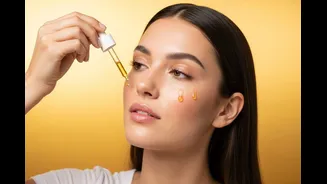
Re-evaluate your current skincare regimen, particularly if you have oily or combination skin. Heavy, rich creams can trap heat against your skin, exacerbating sweating problems. Opt for a gentle, lightweight cleanser that cleanses effectively without stripping your skin of its essential natural oils. Follow this with a gel-based or oil-free moisturizer; these formulations are less likely to clog pores and feel lighter. Crucially, incorporate a sunscreen with a non-greasy, lightweight texture. Many sunscreens can feel heavy and contribute to increased perspiration, especially in humid office environments. Choosing the right products will create a more breathable base for your skin.
Employ Sweat-Resistant Primers
A high-quality primer can serve as an excellent intermediary, creating a barrier between your skin and the elements, including sweat. Seek out primers with a matte finish or a silicone base, as these tend to offer superior oil control and longevity. For added security, consider layering your primer with a setting powder or a setting spray. These products work synergistically to 'lock' your makeup in place, significantly reducing the likelihood of it sliding off due to perspiration. Pay special attention to areas prone to excessive sweating, such as the forehead, nose, and upper lip, applying the primer and setting agents diligently to these zones.
Strategic Cooling Tactics
Your immediate surroundings can significantly influence your body's temperature and, consequently, your sweat levels. To combat this, strategically position yourself. Try to secure a workspace near a fan or an air conditioning vent to keep your personal microclimate cooler. Staying well-hydrated is also vital; keep a water bottle handy and consider blending your regular water with some ice cubes for a refreshing, cooling effect. Additionally, be mindful of your beverage choices. Certain stimulants, such as excessive caffeine intake, can trigger or intensify sweating in some individuals, so moderating your consumption might be beneficial.
Explore Clinical Avenues
If you find that even these practical tips don't adequately manage your facial sweating, it might be indicative of a condition known as hyperhidrosis. In such cases, seeking professional medical advice is recommended. Consulting a dermatologist can help identify the root cause and discuss advanced treatment options. These could include prescription-strength antiperspirant gels specifically formulated for the face, topical medications, or even professional treatments like Botox injections, which can temporarily block sweat gland activity. Establishing a consistent skincare routine can also help prevent flare-ups, especially during peak sweating seasons like summer.