


Evolving Fashion Trends
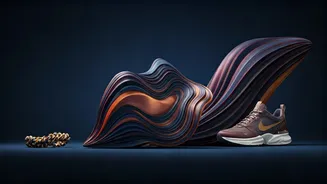
Fashion is a constantly changing art form, and understanding the newest trends is critical for anyone in the industry. Currently, the industry is witnessing
a strong influence from sustainable practices, with an increasing demand for eco-friendly materials and ethical production processes. Another key trend is the rise of digital fashion, including virtual clothing and the integration of technology in design and retail. Moreover, there's a growing emphasis on inclusivity and diversity, with a broader range of body types, ethnicities, and gender identities being represented. Personalization is also taking center stage, with consumers seeking unique, customized products and experiences. Finally, streetwear continues to be a major force, blending high fashion with everyday aesthetics and influencing mainstream styles. These shifts are transforming the fashion world, making it a dynamic and exciting field.
Career Pathways Unveiled
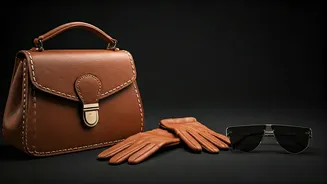
The fashion industry provides a diverse array of career options. Aspiring professionals can pursue roles like fashion designers, who conceptualize and create clothing and accessories. Fashion stylists are responsible for selecting clothing and accessories for photoshoots, films, and individuals. Fashion buyers analyze trends and select merchandise for retail stores. Fashion merchandisers plan and coordinate the presentation of products to maximize sales. Furthermore, fashion journalists and bloggers report on industry news and trends. Fashion marketers develop strategies to promote fashion brands. Each of these roles demands specific skills, such as creativity, technical proficiency, and business acumen, providing a variety of avenues for those passionate about fashion.
Education's Crucial Role
Proper education is vital for success in the fashion world. Formal training provides essential skills in design, pattern making, and garment construction, alongside an understanding of fashion history and marketing. Fashion schools and institutes offer specialized courses, including bachelor's and master's degrees, and vocational programs. Internships and practical experience are also essential to gain real-world insights and build a professional network. By combining theoretical knowledge with hands-on practice, fashion education equips aspiring professionals with the tools and expertise they need to thrive, ensuring they stay current with industry changes and trends.
The Indian Context
India's fashion scene is rapidly growing, blending traditional craftsmanship with contemporary designs. Fashion education in India is thriving, with numerous institutions offering specialized programs. Students in India are embracing global trends while also celebrating their cultural heritage, creating unique designs. There's also a growing focus on sustainability and ethical fashion within the Indian context, with designers and educators emphasizing eco-friendly practices and local artisan collaborations. Consequently, fashion education in India is a dynamic field, responding to both local needs and global influences, shaping the country's fashion industry and contributing to its global presence.
Selecting the Right Institute
When choosing a fashion institute, several factors must be considered. First, review the curriculum, ensuring it aligns with your career goals and includes practical training opportunities. Check the faculty's expertise and industry experience, and explore the school's facilities and resources, such as design studios and technology labs. Research the institute's industry connections and placement records to understand its ability to provide internship and job opportunities. Consider the program's cost, location, and overall reputation. Also, network with current students and alumni to gain insights into the program's culture and teaching methods. Careful consideration of these factors will help students find the best educational environment.
Building a Portfolio
A strong portfolio is crucial for aspiring fashion professionals. It should showcase your best work, including design sketches, garment samples, and styling projects. The portfolio must be well-organized and visually appealing, demonstrating your creativity, technical skills, and aesthetic sense. Consider including a variety of projects, reflecting your versatility and range. Also, update your portfolio regularly with new work, reflecting your growth and evolving skills. Furthermore, use both digital and physical formats to present your work, catering to different application requirements. A carefully curated portfolio will make a strong impression and improve your chances of success in the fashion industry.
Staying Current
Continuous learning is essential in the fashion industry. Stay updated on trends through industry publications, fashion blogs, and social media platforms. Attend fashion shows, workshops, and seminars to expand your knowledge and network. Engage with industry professionals and seek mentorship to gain valuable insights. Consider pursuing additional certifications or short courses to enhance your skills and stay competitive. Keep abreast of technological advancements and integrate them into your design and business practices. Staying informed will ensure career longevity and success in this rapidly changing industry.