



Essence of Gangaur
Gangaur stands as one of Rajasthan's most cherished and visually striking festivals, dedicated to commemorating the sacred bond between Lord Shiva, known
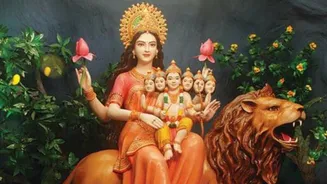
as Gan, and Goddess Parvati, also called Gauri. This auspicious occasion falls within the Hindu month of Chaitra, typically spanning March and April, and signifies the beautiful transition into springtime. More than just a seasonal celebration, Gangaur is a profound expression of love, unwavering devotion, and the blessings of a happy married life. It holds particular importance for women, who observe the festival with earnest prayers, either seeking an ideal life partner or ensuring the long-term well-being and prosperity of their husbands. The festival's core message revolves around marital harmony and the divine love shared by Shiva and Parvati, with many women engaging in home-based worship of the deities.
Historical Roots and Evolution
The origins of Gangaur are deeply interwoven with ancient Indian traditions and captivating mythological narratives, primarily focusing on Goddess Gauri's profound devotion to Lord Shiva. Through the ages, this sacred observance has blossomed into a significant cultural spectacle, reflecting timeless values such as enduring love, steadfast fidelity, and the pursuit of overall prosperity. The festival's historical continuity underscores its importance in preserving cultural heritage and reinforcing societal bonds. Its evolution showcases how ancient rituals can adapt while retaining their core significance, continuing to resonate with contemporary society and its aspirations for strong relationships and well-being.
Timing and Duration
Gangaur's commencement is timed with precision, beginning on the very first day of the Hindu lunar month of Chaitra. This timing is significant as it directly follows the energetic celebrations of Holi, marking a gentle transition. The festival's duration is substantial, typically extending for a period of 16 to 18 days. This extended observance allows for a deeper immersion in the festive spirit and its associated rituals. The entire period of Gangaur also symbolizes the conclusive end of the winter season and the welcoming embrace of spring's renewal and vibrancy, making it a celebration of natural cycles as much as spiritual ones.
Spectacular Processions
A defining and visually spectacular element of Gangaur is its grand procession, with Jaipur often serving as the epicenter for these magnificent parades. During this event, elaborately decorated idols representing Gan and Gauri are reverently carried through the bustling city streets. These idols are often transported in ornate palanquins, adding to the regal atmosphere. The processions are further enlivened by the vibrant performances of folk artists, accompanied by the soul-stirring melodies of traditional Rajasthani music. This captivating display serves as a powerful showcase of the region's rich cultural heritage and artistic prowess, drawing crowds and fostering a sense of collective joy and celebration.
Rituals and Practices
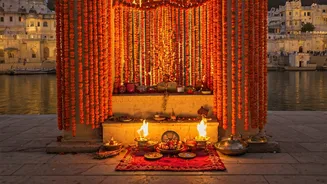
The heart of Gangaur lies in the diverse and meaningful rituals observed by women. A central practice involves the creation and worship of clay effigies of Gan and Gauri. These idols are meticulously adorned with intricate patterns and personal jewelry, reflecting the care and devotion of the worshippers. Throughout the festival, women engage in singing traditional songs that narrate tales of the deities and their union. Applying 'mehendi' (henna) on hands and feet is another significant ritual, often symbolizing auspiciousness and beauty. The prayers offered vary with marital status: unmarried girls earnestly pray for a suitable and loving husband, while married women dedicate their prayers to ensuring the long life, health, and prosperity of their spouses, underscoring the festival's focus on marital well-being.
Cultural Significance
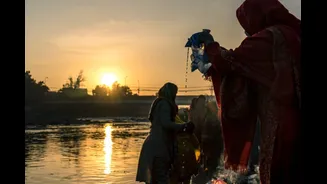
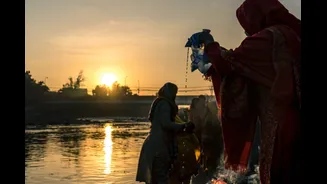
Gangaur is a profound embodiment of devotion, fertility, and the joyous welcoming of spring. It represents a time of deep spiritual connection and communal festivity. The culmination of the festival involves the ceremonial immersion of the idols in water, symbolizing Goddess Gauri's return to her celestial abode. This act, while marking an emotional farewell to the deities, also signifies a renewal of life and the ongoing cycle of nature. The festival thus serves as a powerful reminder of continuity, hope, and the interconnectedness of the divine and the natural world, reinforcing cultural values and spiritual beliefs within the community.