







The Tofu Test
A curious trend has emerged on social media, particularly TikTok, where women are using men's reactions to tofu as a gauge for their masculinity and their perceived
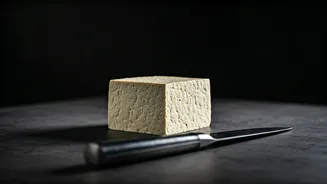
attitudes towards women. Videos showcasing men expressing 'intense disgust' towards the soy-based food are gaining viral traction, with captions suggesting that such a strong aversion is indicative of a man's fragile ego and insecurity about his societal role. This phenomenon goes beyond mere dietary preference, framing the simple act of liking or disliking tofu as a profound statement about one's understanding of gender dynamics. The narrative posits that rejecting tofu is inherently linked to a resistance against anything perceived as feminine, a notion that has resonated with many online, sparking widespread discussion and debate about the underlying societal messages being conveyed through this culinary judgment.
Cultural Roots and Gender
The idea that food choices are deeply intertwined with gender identity is not a new concept. Experts, like author Emily Contois, author of "Diners, Dudes, and Diets: How Gender and Power Collide in Food Media and Culture," suggest that the connection between tofu, perceived femininity, and a man's stance on masculinity holds considerable weight. Historically, plant-based foods have been associated with nurturing and feminine qualities, while meat consumption often evokes imagery of hunters and providers, a theme further explored in scholarly works like Carol J. Adams' 'The Sexual Politics of Meat,' which links meat-eating to power structures. In many Asian cultures, tofu is a dietary staple, and a strong aversion to it, particularly when framed through a Western lens, can inadvertently reflect a dismissal of those cultures and their culinary traditions. This trend, therefore, not only highlights the food-gender nexus but also brings to light broader perspectives on femininity, culture, and the world at large.
Navigating Social Media Trends
While the tofu aversion trend offers an intriguing lens through which to examine gender perceptions, it's crucial to approach such social media phenomena with caution. As dating coach Amy Chan points out, relying on a single food preference to define a person's entire character is a classic example of the 'fundamental attribution error' – the tendency to overemphasize personality traits while underemphasizing situational influences. A person's dislike for tofu might stem from a simple textural preference, a misunderstanding of its preparation, or even a lack of exposure, rather than any deeply ingrained toxic masculinity. Conversely, someone who enjoys tofu might still hold outdated views on gender. The trend encourages looking beyond superficial judgments; a more insightful approach, as suggested by Contois, might be to ask 'What do you think about tofu?' This question can open a dialogue, revealing a person's belief systems and their understanding of concepts like power and subordination, rather than leading to premature conclusions based on a single, isolated preference.