



Observing the Palette
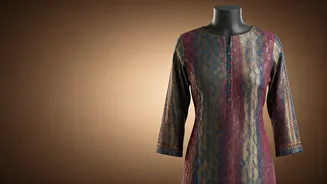
A closer look at the clothing choices in contemporary urban India reveals a striking prevalence of neutral colors. Whether in bustling shopping malls,
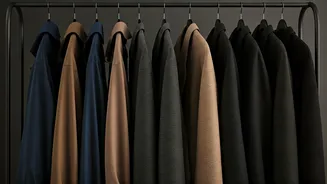
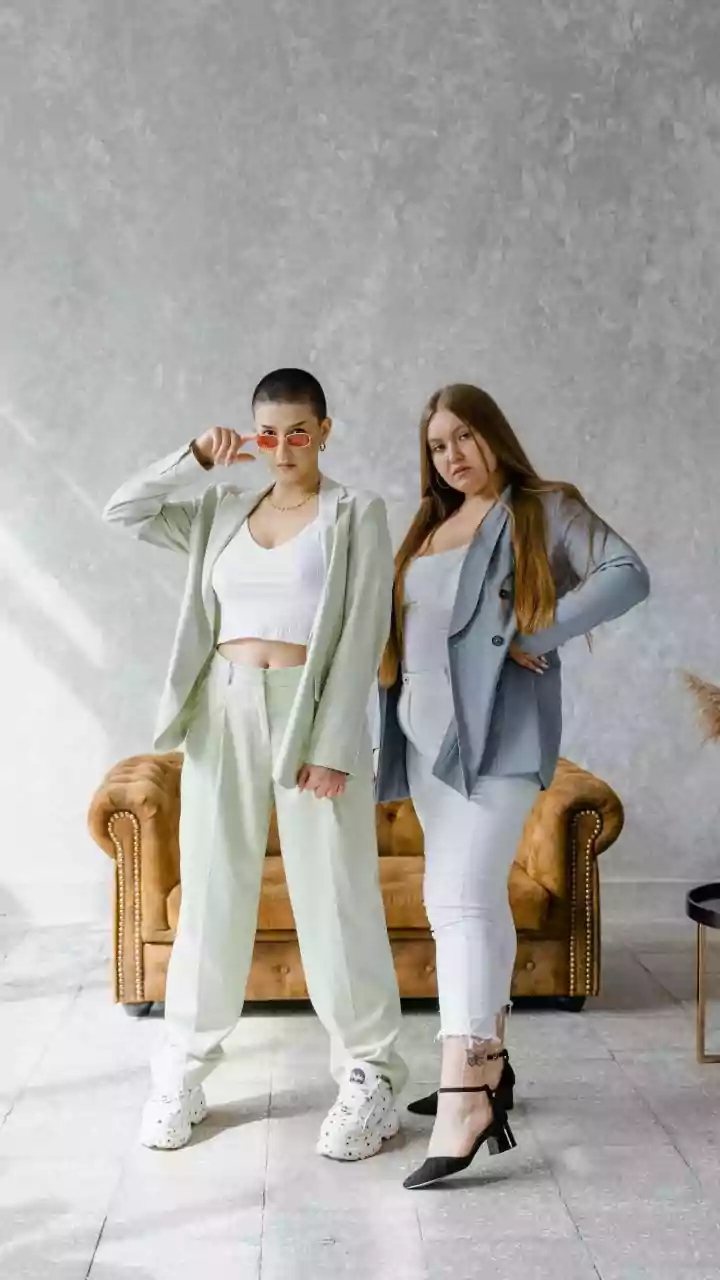
during daily commutes on public transport, or at social gatherings, a distinct preference for shades like black, white, grey, and muted blues is readily apparent. Even recent fashion events have largely adhered to this restrained color spectrum. While a wide array of colors remains available in retail spaces, the conscious decision to opt for subtle tones when stepping out suggests a broader societal shift away from the traditionally vibrant aesthetic associated with the nation. This informal observation, extended through conversations with individuals across different cities, points towards neutrals and darker shades becoming the everyday go-to choices for many urban dwellers, marking a departure from previous fashion norms and preferences.
Influences Shaping Choices
Several factors appear to be contributing to this evolving fashion landscape. A historical perspective suggests a lingering influence from colonial times, where Western tailoring and a more subdued aesthetic were introduced, potentially shaping what is now considered 'sophisticated' or 'appropriate' in urban settings. This is compounded by a Westernized corporate culture that often prioritizes subtlety and conformity, encouraging employees to 'fit in' and project a 'global' image. The rise of fast fashion also plays a role; global brands, catering to an international market, frequently favor neutral palettes that are easily adaptable across diverse regions. These elements collectively nudge consumers towards a more understated presentation, influencing their daily wardrobe selections and contributing to the diminishing visibility of bright colors in everyday wear.
Cultural Evolution of Style
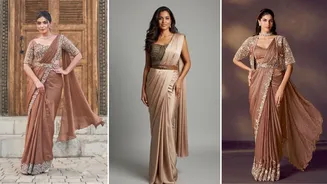
Beyond external influences, a significant cultural reorientation is underway, steering fashion away from ostentation. The burgeoning trend of 'quiet luxury' champions minimalism and investment pieces, transforming neutrals from merely acceptable to highly desirable. In an environment where understatement is increasingly equated with sophistication, vibrant colors can inadvertently be perceived as excessive or attention-seeking. This shift is notably reflected in contemporary Indian popular culture; celebrity wardrobes, including those for significant events like weddings, now frequently feature creams and whites with a newfound ease. Similarly, national fashion runways are increasingly showcasing paler, more subdued color schemes. Even trend forecasting bodies, like Pantone, are identifying colors that evoke calmness and clarity, such as a soft white, suggesting a collective desire for tranquility amidst a complex world.
Color, Perception, and Mood
The choice of clothing color is more than just an aesthetic preference; it carries significant weight in terms of how individuals are perceived and how they wish to present themselves to the world. For some, opting for muted tones is a deliberate strategy to be taken seriously, a conscious decision to blend in rather than stand out. This is evident in anecdotes where individuals admit to avoiding color to maintain a professional image, with one person noting their colorful attire was only chosen during their notice period. Conversely, there are moments when color serves as an antidote to a somber mood. In a world often filled with challenges, a splash of color can be a personal act of defiance, a way to uplift one's own spirits. Ultimately, this trend reflects a deeper societal contemplation on safety, conformity, and the powerful psychological impact of color in shaping both personal feelings and public perception.