





Understanding Your Needs
The ideal sunscreen for the summer months is one that aligns with your individual skin type, feels pleasant even when the temperatures rise, and, crucially,
provides robust protection against harmful UV rays. When considering lighter coverage with a radiant finish, a sunscreen that offers both tint and a matte effect emerges as a compelling option. This choice hinges on what best suits your complexion and addresses specific summer concerns, moving beyond a one-size-fits-all approach to sun care. The goal is to balance effective sun defense with aesthetic preferences and comfort in humid weather, ensuring your skin stays safe and looks its best.
The Allure of Tinted Formulas
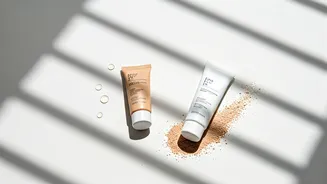
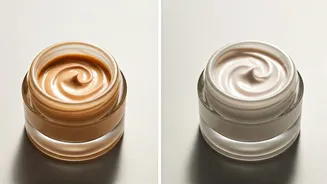
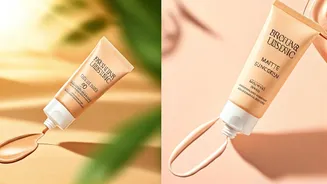
Tinted sunscreens incorporate specialized pigments, such as iron oxides, which serve a dual purpose. They effectively work to even out your skin tone, camouflaging minor imperfections and creating a more uniform complexion, while simultaneously shielding your skin from the damaging effects of ultraviolet radiation. Think of it as a light layer of makeup that also offers essential sun protection, making it a fantastic choice for those struggling with uneven skin tone or seeking a natural, healthy radiance. It's particularly beneficial for addressing concerns like hyperpigmentation or melasma, providing a subtle cosmetic enhancement alongside its protective functions, leading to a refreshed and even-toned appearance.
Matte Sunscreens for Shine Control
In contrast, matte sunscreens are specifically engineered to manage excess oil production and minimize undesirable shine. These formulations are typically lightweight, designed to offer a non-greasy finish that feels comfortable, especially during sweltering summer days. If your skin tends to be oily, is prone to breakouts, or you anticipate experiencing significant sweat on hot summer days, a matte sunscreen is likely the most suitable selection. Its ability to absorb oil and provide a velvety, shine-free surface makes it an excellent daily companion for managing complexion concerns in humid climates.
Universal Protection Factors
Regardless of whether you opt for a tinted or a matte formulation, the efficacy of both types of sunscreen hinges on specific protective qualities. Both varieties offer excellent sun protection, provided they are formulated with an SPF of 30 or higher. Furthermore, broad-spectrum coverage is essential, meaning they defend against both UVA and UVB rays. If sweat resistance is a key requirement for your summer activities, ensure your chosen product carries this designation. For those seeking enhanced defense against visible light, a crucial factor for managing pigmentation issues, a tinted sunscreen often proves to be the superior choice.