






Giving Space
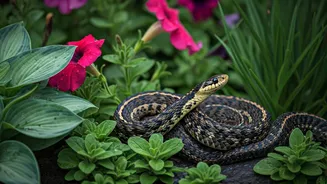
The moment you notice a snake in your garden, the primary and most crucial step is to create distance. These creatures generally prefer to avoid human
interaction and seek out tranquil, concealed locations. Approaching them can easily be perceived as a threat, potentially leading to a defensive reaction. By simply stepping back and allowing the snake ample room, you provide it with the opportunity to move along at its own pace. Often, remaining still and observing from afar is sufficient for the snake to depart unnoticed. It’s vital to refrain from making sudden movements, as snakes are highly sensitive to vibrations. Swift actions could be misinterpreted as a sign of danger. A slow, deliberate approach ensures a calmer environment for both you and the reptile. Remember, most garden snakes are not venomous and are likely just passing through in search of sustenance or a temporary resting spot. Understanding their non-aggressive nature and respecting their need for space can de-escalate the situation effectively.
Observing Without Intervention
Once you've established a safe distance, a valuable next step is to observe the snake's movements without attempting to interfere. Utilize vantage points like windows, gates, or the far edges of your property to keep an eye on its direction. This passive monitoring can reveal potential hiding spots, such as under decks, sheds, or foundation crevices, which might indicate a recurring presence. By noting where the snake goes, you gain insights that can help prevent future unexpected encounters. Furthermore, paying attention to patterns—like the time of day, weather conditions, and specific locations—can provide clues about why snakes are being drawn to your garden. Consistent observation might unveil that they are returning due to the availability of food sources or suitable shelter. Documenting these observations, even mentally, can be instrumental in understanding local wildlife behaviour and proactively managing your garden environment.
Professional Assistance When Needed
While many snake encounters can be resolved by simply giving the creature space, there are situations where professional intervention is advisable. If children, pets, or neighbours are present and there's a concern for their safety, contacting trained wildlife removal experts is the prudent course of action. These professionals possess the knowledge and equipment to accurately identify snake species, including potentially venomous ones like adders or copperheads. Attempting to handle or remove such snakes without specialized training poses significant risks. Even in cases involving non-venomous snakes, if they are repeatedly entering areas frequented by people, removal by an expert might be necessary for peace of mind and to ensure continued safety. The ultimate goal is to safeguard both human well-being and the welfare of the snake, and professionals are best equipped to balance these priorities.
The Dangers of Provocation
It cannot be overstated how critical it is to avoid provoking a snake. Actions such as poking it with sticks, chasing it, or attempting to nudge it in any direction are strongly discouraged. Even a snake that is not venomous can deliver a painful bite if it feels cornered or threatened. Forcing a snake into a specific direction or trapping it significantly escalates the risk of a defensive bite. Snakes possess surprising agility and can react unpredictably when they perceive danger. Patience is key; most snakes will naturally move on if left undisturbed. It’s a common misconception that snakes are inherently slow. Their rapid movements are typically escape responses when they feel endangered. Maintaining a calm demeanor and refraining from any form of provocation is the safest approach for everyone involved, ensuring a peaceful resolution to the encounter.
Garden Pest Control
Beyond being mere visitors, snakes play a vital role as natural pest controllers within your garden ecosystem. They actively prey on rodents, slugs, and various insects, effectively reducing populations that can damage plants and crops. This natural predation can significantly decrease the need for chemical pest control methods, contributing to a healthier environment. Non-venomous snakes contribute to maintaining a balanced garden by managing these nuisance species. Unnecessarily removing them can disrupt this delicate equilibrium, potentially leading to an increase in pest problems. While the initial sight of a snake might be unnerving for some, recognizing their beneficial function is important. A few snakes in the vicinity can save homeowners considerable effort in pest management, and they generally won't linger if the garden doesn't offer continuous food or shelter.
Reducing Garden Attractants
Proactively making your garden less appealing to snakes can significantly reduce unwanted encounters. Maintaining a tidy landscape is paramount. Keep your lawn mowed short, and regularly remove potential hiding places like overgrown vegetation, scattered debris, woodpiles, and thick layers of leaf litter. Ensure that any gaps or openings beneath structures like sheds, porches, or foundations are sealed to prevent them from becoming cozy dens. A crucial aspect of snake deterrence is rodent control; by limiting the food source, you make your garden less attractive. Addressing these elements creates an environment that is less conducive to snakes seeking sustenance or shelter. Expert observations indicate that homeowners who maintain well-kept gardens are less likely to experience repeated snake visits, fostering a more peaceful coexistence.