






The Rare Mango
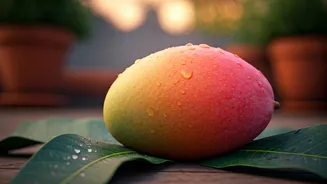
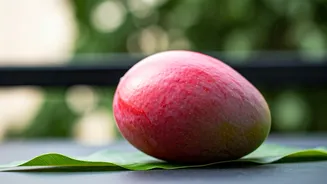
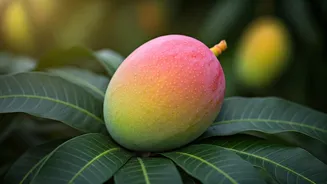
Imagine a mango so exquisite it commands prices between Rs 2.5 lakh and Rs 3 lakh per kilogram in luxury markets. This is the Miyazaki mango, affectionately
known as 'Eggs of the Sun,' a Japanese treasure renowned for its unparalleled sweetness, vibrant colour, and smooth texture. Traditionally cultivated in specific climatic zones, its reputation as a challenging yet rewarding fruit to grow has captivated horticulturalists worldwide. A remarkable success story has emerged from Udupi, Karnataka, where gardener Joseph Lobo has defied conventional wisdom by nurturing this rare variety to fruition on his rooftop terrace. This achievement not only showcases innovative urban farming but also highlights the potential for home gardeners to cultivate extraordinary produce with dedication and the right techniques. The journey of the Miyazaki mango to a Udupi terrace is a testament to patience, meticulous care, and a deep understanding of horticultural principles, proving that exotic flavours can indeed be grown close to home.
Terrace Cultivation Secrets
Joseph Lobo's success with the Miyazaki mango on his terrace is rooted in a blend of consistent care and a carefully curated environment. Rather than starting from seeds, which can be a lengthy process, Lobo opted for a healthy, established sapling. This strategic choice provided a robust foundation for the plant's root system, enabling faster growth. He recognized the importance of ample space for root development, opting for large pots or grow bags. The cornerstone of his cultivation method is a nutrient-rich soil mix. Lobo ingeniously combined regular garden soil with homemade organic matter, including cow dung, sheep manure, curd, and vegetable scraps. This bespoke blend, constituting 50% of the growing medium, provided a balanced, fertile environment for the mango tree. Careful planting in a sun-drenched location is crucial, as mango trees thrive on abundant sunlight. Crucially, Lobo eschewed chemical pesticides and fertilisers, opting for natural alternatives like neem oil to ward off pests, ensuring the fruit’s purity and the plant’s health. Regular watering and a monthly application of his nutrient-rich mix further sustained the tree, promoting vigorous growth and enhancing its fruit-bearing potential. This meticulous, organic approach underscores the viability of cultivating even the most exotic fruits in constrained urban spaces, provided the plant’s fundamental needs for light, nourishment, and protection are met with unwavering attention.
The Patience Factor
Growing the Miyazaki mango, especially on a terrace, requires a significant investment in patience. Joseph Lobo’s experience illustrates that this premium fruit variety doesn't yield immediate results. It took several years for his terrace-grown plant to bear its first fruits. This extended gestation period is a critical reminder for aspiring growers: establishing and nurturing rare fruit trees is a long-term commitment. The journey from sapling to harvest for the Miyazaki mango underscores the importance of consistency in care and unwavering dedication. While the specific conditions on Lobo’s tropical coast and his organic methods were instrumental, the underlying principle remains universal. Success with exotic plants in confined spaces hinges not only on the right soil, sunlight, and pest control but also on the grower's willingness to wait and provide sustained attention. The reward for this patience, as Lobo has demonstrated, is the unparalleled satisfaction of harvesting an incredibly valuable and delicious fruit, a symbol of horticultural dedication and a unique addition to any home garden.
Urban Farming Potential
The success of growing the Miyazaki mango on a terrace garden in Udupi signifies a growing trend and immense potential for urban agriculture. In increasingly dense urban environments, where traditional farming land is scarce, terrace gardens offer a viable solution for cultivating fresh produce. This approach allows city dwellers to engage with food production, transforming rooftops and balconies into productive green spaces. The Miyazaki mango’s journey from a specialized orchard to a residential terrace demonstrates that even plants typically requiring specific, controlled climates can thrive with adaptive gardening techniques. It encourages home gardeners to explore growing a wider variety of fruits and vegetables, including rare and exotic options. This shift towards localized, small-scale fruit cultivation not only provides access to unique, high-quality produce but also fosters a deeper connection with nature and promotes sustainable living practices within urban settings. The principles applied by Joseph Lobo—optimal soil composition, adequate sunlight, organic pest management, and consistent feeding—are transferable and offer a roadmap for others looking to maximize their urban gardening potential and enjoy the fruits of their labor, quite literally.