





Snail Slime Facials
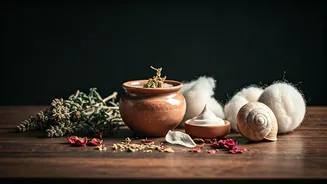
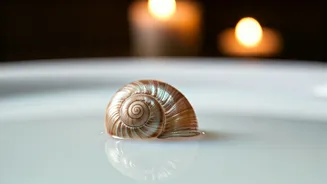
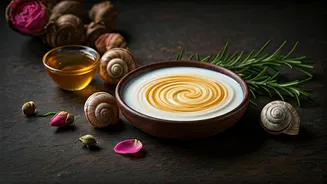
Long before modern serums, ancient civilizations embraced snail mucus for skincare. Instead of a refined extract, individuals would allow live snails to
traverse their faces. This viscous secretion is rich in beneficial compounds like peptides, antioxidants, and hyaluronic acid. These elements work synergistically to fortify the skin's protective barrier, provide profound hydration, and combat the visible signs of aging, offering a natural approach to skin rejuvenation that continues to influence contemporary beauty trends.
Exotic Animal Ingredients
Ancient beauty routines sometimes involved ingredients that might seem peculiar by today's standards, including certain animal byproducts. Various cultures incorporated elements like crocodile and cow dung, alongside goat and camel milk, for both their nourishing and exfoliating properties. While some of these practices are less common now, ingredients like honey and milk, derived from animals, remain staples in modern skincare for their well-documented benefits in cleansing, moisturizing, and enhancing skin texture.
Honey: Nature's Cleanser
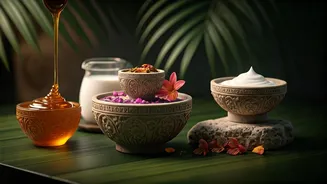
Honey, a practice dating back over 15,000 years, was a direct application for skincare, prized for its remarkable moisturizing, healing, and antibacterial qualities. Applying honey to the face resulted in calmer, clearer, and more hydrated skin. Beyond cosmetics, ancient peoples also utilized honey's potent antimicrobial properties to treat wounds, even when its sticky nature made removal challenging. This natural remedy's effectiveness in promoting wound healing is still recognized and valued today.
Sheep Sweat Moisturizer
The Romans developed a unique moisturizing technique using lanolin, a substance extracted from sheep's wool. This ingredient was applied as a night treatment to significantly improve the skin's barrier function and deliver deep hydration, leaving the skin feeling supple, protected, and soft. Despite its less-than-pleasant aroma, lanolin proved exceptionally effective at locking in moisture and safeguarding the skin. This versatile ingredient is still found in modern products like lip balms and intensive moisturizers.
Milk Baths for Radiance
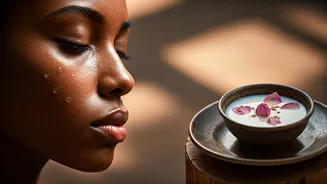
The legendary Queen Cleopatra of Egypt is famously associated with bathing in fresh milk, a ritual believed to maintain her skin's smoothness, suppleness, and natural glow. Milk's efficacy stems from lactic acid, a gentle alpha-hydroxy acid that acts as a natural exfoliant. By effectively removing dead skin cells, lactic acid reveals fresher skin beneath, contributing to a more radiant and luminous complexion over consistent use.