
The Nordic Approach
The Nordic diet is centered around foods typically consumed in Nordic countries like Sweden, Norway, Denmark, Finland, and Iceland. This includes a heavy
emphasis on whole grains, berries, root vegetables, fish, and rapeseed oil. The diet strongly recommends seasonal and locally sourced ingredients. Unlike some other dietary approaches, the Nordic diet isn't overly restrictive, allowing for moderate amounts of lean meats and dairy products. It champions minimally processed foods, steering clear of added sugars and artificial ingredients. Its focus on sustainable and natural foods sets it apart, promoting not just personal health but also environmental responsibility. In essence, it's about embracing wholesome, fresh ingredients to support overall well-being.
Diabetes and Fatty Liver
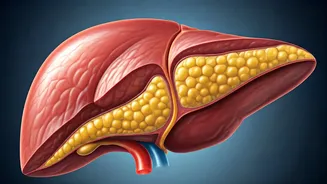
Type 2 diabetes and fatty liver disease are significant health concerns, particularly in certain demographics. Type 2 diabetes often involves the body's ineffective use of insulin, which results in elevated blood sugar levels. Fatty liver, on the other hand, entails the buildup of fat in the liver, potentially leading to inflammation and liver damage. A well-structured diet can play a crucial role in managing both conditions. The Nordic diet, with its focus on low-glycemic foods and healthy fats, may assist in regulating blood sugar and reducing liver fat. By promoting foods that mitigate insulin resistance and reduce inflammation, the diet addresses key underlying factors in these diseases. The emphasis on unprocessed foods is particularly beneficial, as they typically do not contain the added sugars and unhealthy fats that can worsen both conditions.
Nordic vs. Indian Diets
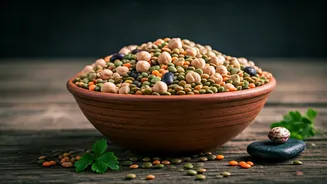
A core aspect of evaluating the Nordic diet is understanding its compatibility with Indian dietary patterns. The traditional Indian diet often incorporates rice, wheat, pulses, vegetables, and dairy products. While the Nordic diet encourages whole grains and vegetables, it might require some modifications for integration into an Indian lifestyle. For example, incorporating locally available seasonal vegetables and substituting some of the high-carb staples like white rice with healthier options such as brown rice or millets could be beneficial. Adjustments to the types of cooking oils used, opting for healthier fats, and reducing added sugars can also bring the diet more in line with the Nordic principles. It's about adapting the core concepts—whole foods, limited processing, and balanced nutrition—to fit the ingredients and culinary traditions prevalent in India.
Key Considerations
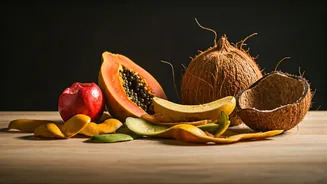
When considering the Nordic diet in India, several factors warrant attention. The availability of Nordic-specific ingredients might be limited and potentially expensive in many regions. Local alternatives must be considered for ingredients like specific berries or types of fish. Secondly, understanding individual dietary requirements is critical. Individuals with specific health conditions should consult with healthcare professionals or registered dietitians before making significant dietary changes. A tailored approach, considering factors such as age, activity levels, and pre-existing conditions, is key for maximizing benefits. This ensures that the diet is not only compatible but also effective in improving health outcomes. It's about combining the diet's principles with the needs of the individual.
Benefits and Risks
The potential advantages of the Nordic diet include improved blood sugar control, reduction in liver fat, and enhanced cardiovascular health. The high fiber content of whole grains and vegetables in the diet supports digestive health and can promote weight management. The emphasis on healthy fats, like those found in fish and rapeseed oil, can improve cholesterol levels and reduce the risk of heart disease. However, there are potential risks, primarily related to individual dietary needs and ingredient availability. If the diet is not properly tailored, or if the individual has allergies or sensitivities to specific foods, adverse reactions may occur. Thorough research and, when possible, professional guidance are essential to ensure the diet promotes well-being and avoids any potential drawbacks.
The Verdict
The Nordic diet presents a promising approach for managing type 2 diabetes and fatty liver disease, although careful assessment is needed for the Indian context. While the core principles of the diet—focusing on whole foods, limiting processed ingredients, and prioritizing healthy fats—are generally applicable and beneficial, successful adoption requires adaptations based on cultural food availability and individual needs. People in India can potentially benefit from embracing a diet rich in whole grains, seasonal vegetables, and healthy fats, and should do so by consulting a healthcare expert, who can offer tailored guidance and promote optimal health outcomes by merging Nordic principles with Indian dietary practices. This approach can potentially transform the way Indians approach nutrition and disease management.