





The Chef's Identity
For any culinary artist, the chef's coat and cap transcend mere attire; they embody a profound sense of identity and dedication. This specialized uniform
not only distinguishes chefs in a crowd but also serves as a visible testament to the immense hard work, countless late nights, and unwavering passion poured into mastering their craft. When this very coat becomes associated with receiving a national honor, like the Padma Shri from the President of India, its significance and the respect it commands are amplified tenfold. Imagine the dissonance, then, when a chef is expected to forgo this symbol of their professional journey for a prestigious event, being instead directed to wear attire that represents their cultural heritage. This was precisely the quandary faced by renowned chef Sanjeev Kapoor in 2017, a moment that tested his resolve and underscored the deeper meaning behind his professional garb.
A Matter of Principle
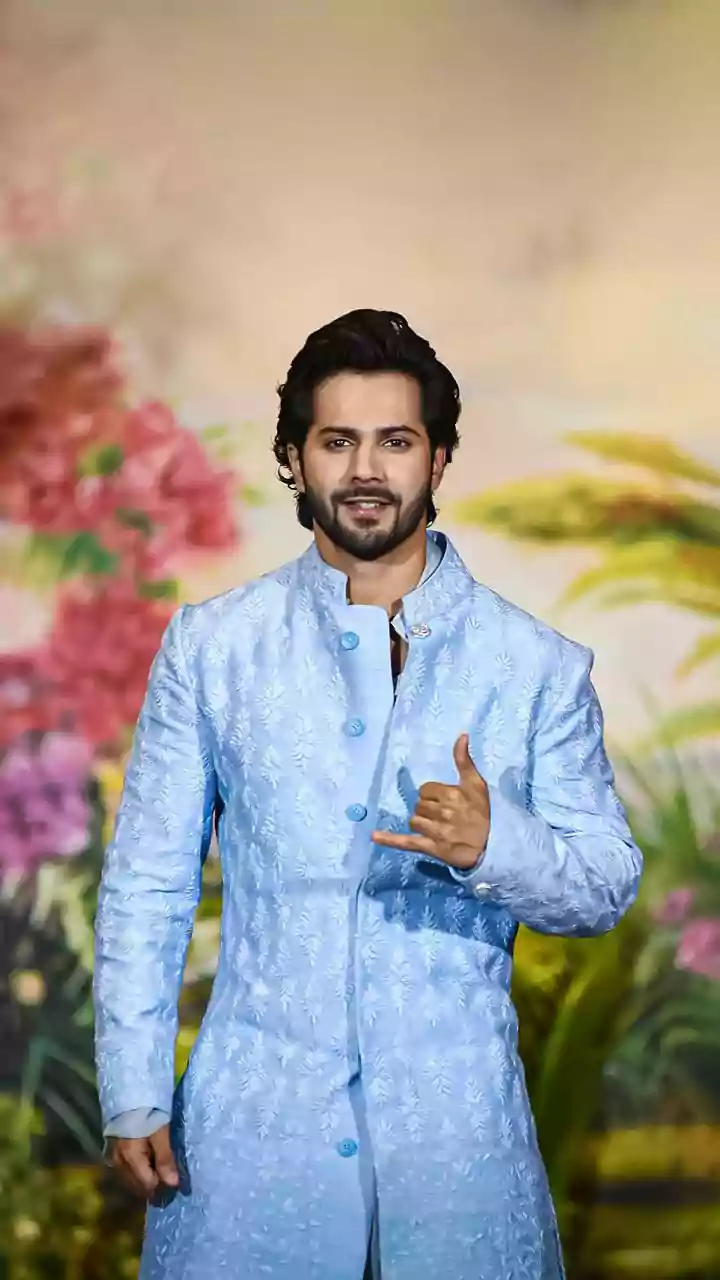
In 2017, when celebrity chef Sanjeev Kapoor was conferred with the prestigious Padma Shri award, his experience was marked by an unexpected hurdle. According to a personal account he shared, the guidelines for the award ceremony stipulated a national dress code, and he was initially informed that wearing his chef coat was not permissible. He was instead encouraged to opt for traditional Indian clothing. This directive presented a significant conflict for Kapoor, who viewed his chef coat not merely as a uniform but as an emblem of pride for the entire culinary fraternity. His response was firm: he was prepared to forgo the award if he could not be recognized in the attire that represented his life's work and dedication. He communicated that if the award could not be presented to him while he was in his professional uniform, then it should not be given at all. This stance highlighted his deep-seated belief in the dignity and importance of his profession.
Championing the Uniform
Sanjeev Kapoor, in his 'Kahaani Khazana' series, detailed how the evolution of his career saw shifts in his professional attire. Initially, as a chef in hotels, he wore a full, traditional uniform daily. As his career transitioned to television, certain elements of the uniform were adapted for on-camera appeal; the chef's cap was the first to go, deemed unflattering for television. Later, the chef coat itself was sometimes replaced by more casual shirts to project a relaxed image on screen. Despite these adaptations, Kapoor consistently maintained that the chef's uniform represented more than just clothing; it was a symbol of pride that had helped elevate the status of chefs. He believed this pride was integral to the chef community and deserved to be preserved. His insistence on wearing the chef coat for the Padma Shri ceremony was a deliberate act to uphold this sentiment and honor the collective journey of chefs.
A Historic Moment
The evening of the Padma Shri gala at the Rashtrapati Bhavan was poised to become historically significant due to Sanjeev Kapoor's unwavering stance. Upon arriving, he was informed that there was no precedent for a recipient wearing a chef's uniform, and that he was expected to don traditional Indian attire. Kapoor reiterated his request to wear his professional uniform, emphasizing that it represented his profession. When faced with refusal, he declared his readiness to decline the award rather than compromise on his principles. In a powerful display of determination and dedication, Kapoor ultimately received the Padma Shri award in his chef coat. This marked the first time an individual was honored with this prestigious award without adhering to the prescribed dress code, effectively breaking a norm and establishing a new precedent for recognizing professionals in their own attire.
The Coat's Significance
Chef Sanjeev Kapoor articulated a profound perspective on the chef's coat, advocating for its recognition beyond being a mere uniform. He expressed his belief that it should be regarded as a source of pride, intrinsically linked to the identity and the art form that chefs practice. By choosing to wear his chef coat to accept the Padma Shri, he aimed to convey that the award was not solely a personal achievement but a tribute to the entire culinary community. This act underscored his commitment to elevating the profession and ensuring that the hard work and artistry of chefs are acknowledged and respected. The historic moment at the Rashtrapati Bhavan served as a powerful statement about the dignity and cultural significance of a chef's professional attire, celebrating the craft and the individuals dedicated to it.