


The Odor Neutralizer
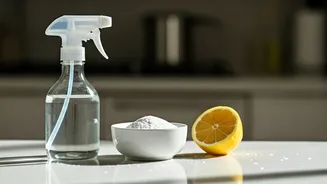
Baking soda, a simple household powder, possesses a remarkable ability to combat unpleasant mattress smells. Its efficacy stems from its porous nature,
which allows it to absorb moisture and trap odor-causing particles. When applied in a thin, even layer and left undisturbed for at least an hour, it effectively neutralizes smells. Scientifically, this works by adsorbing volatile organic compounds (VOCs) – the molecules responsible for many odors – onto its large surface area. This adsorption process, similar to how other porous materials capture airborne pollutants, helps to remove these odor-producing substances from the fabric, leaving your mattress smelling fresher. This method is particularly effective for light odors, offering a noticeable improvement with minimal effort.
Mastering the Vacuum
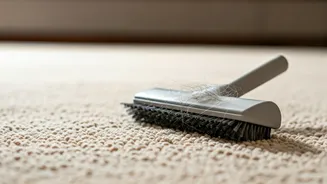
The effectiveness of the baking soda treatment hinges significantly on the post-application vacuuming process. It's crucial to go beyond merely removing the visible powder; allergens and microscopic particles can lodge themselves deep within the mattress fibers. Thorough vacuuming, especially with a high-efficiency particulate air (HEPA) filter, is essential for extracting these contaminants. Research indicates that consistent and deep vacuuming over time leads to a significant reduction in house dust mite allergens and other bio-contaminants. This contrasts with superficial cleaning, which offers limited benefits. Therefore, a meticulous vacuuming technique is paramount to ensure that not just the baking soda but also the trapped allergens and dust are effectively removed, contributing to a healthier sleep environment.
Common Mistakes & Limitations
While beneficial, the baking soda mattress trick has its limitations and common missteps. A frequent error is the overuse of baking soda, with many believing more powder equates to better results. However, excessive application can be counterproductive, making removal more difficult and potentially leaving a residue. It's vital to remember that baking soda is primarily an odor and moisture absorber, not a comprehensive cleaning agent. It doesn't tackle deep-seated allergens or stains effectively. Studies highlight that bedding can harbor significant allergens, and surface treatments like baking soda may only refresh the top layer, failing to address the issues embedded deeper within the mattress structure, which can exacerbate conditions like asthma for sensitive individuals.
Beyond Baking Soda
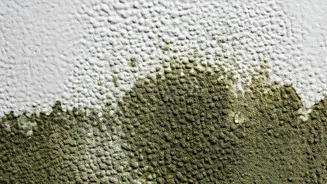
For a truly clean and healthy mattress, it's wise to integrate baking soda into a broader cleaning strategy. For stubborn stains, a diluted dish soap solution is often more effective than powder alone, addressing the stain directly without leaving residues. If stains persist, hydrogen peroxide is recommended for its ability to break down organic matter like sweat and spills, while also providing a disinfecting effect. Crucially, moisture management is key; any cleaning process that introduces water must ensure the mattress dries completely to prevent mold and new odor absorption. Prevention through a quality mattress cover, which shields against dust and sweat, and regular, thorough vacuuming are foundational. Ensuring adequate ventilation also plays a vital role in preventing humidity buildup, making for a more holistic approach to mattress maintenance.