



Escape the Tourist Trail
Many travellers are actively seeking destinations that offer a genuine escape from the overwhelming presence of mass tourism, a sentiment that has propelled
Mongolia to the forefront. Unlike the increasingly touristed Silk Road cities of Uzbekistan, or the now crowded trekking routes in Kyrgyzstan and Tajikistan, Mongolia presents a stark contrast. Even the modern metropolises of Kazakhstan, while impressive, often lack the immersive quality many adventurers crave. Mongolia, however, offers an experience that feels like Central Asia before the influx of visitors. Its unparalleled low population density, with roughly two people per square kilometer across its vast 1.56 million square kilometer expanse, translates into an extraordinary sense of space and solitude. Imagine traversing hours of steppes without encountering a single village, or experiencing a diverse itinerary that seamlessly blends deserts, towering mountains, expansive grasslands, and frozen lakes. This vastness and silence are precisely the luxuries that a growing number of travellers are prioritizing, seeking a more profound connection with their surroundings away from the beaten path.
Landscapes and Nomadic Life
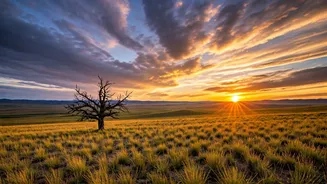
Mongolia's allure is intrinsically tied to its breathtaking natural beauty, which serves as the primary draw for visitors, setting it apart from its neighbours where urban centres often take precedence. The fundamental appeal lies in its dramatic and varied topography: the gentle undulations of the vast steppes, the profound, almost austere emptiness of the Gobi Desert, the majestic Altai Mountains, and the ever-changing hues of its grasslands collectively form the core of the Mongolian travel experience. Travellers frequently report extensive periods of driving without encountering other tourist vehicles, even outside of peak travel times. This profound sense of isolation is increasingly valued as a rare commodity in our increasingly populated world. What truly distinguishes Mongolia, however, is its living nomadic culture; it is not a staged performance for tourists but an authentic, ancient pastoral lifestyle recognized by UNESCO. Approximately a quarter of the Mongolian population continues to embrace this tradition, inviting visitors to stay in traditional gers (yurts), ride horses across the open plains, participate in herding activities, and share meals with families whose way of life has endured for generations. This deep-rooted authenticity is a powerful draw for those seeking experiences that feel increasingly elusive.
Unique Cultural Identity
While geographically situated within Central Asia, Mongolia possesses a distinct cultural identity that sets it apart from the broader regional narrative. Its spiritual landscape is shaped by a blend of Buddhism and shamanistic traditions, creating a unique worldview that differs significantly from the predominantly Islamic heritage found further west along the Silk Road. The historical resonance of Genghis Khan, the formidable Mongol Empire, and ancient capitals such as Karakoram, imbues the country with a historical depth that offers a compelling alternative to the familiar Silk Road sagas. This unique blend of history and spirituality appeals strongly to travellers who are looking for a fresh perspective and a novel experience without venturing too far from the general region. It provides a sense of discovery and a departure from the expected, offering a rich tapestry of history and tradition that is distinctly Mongolian.
Affordability and Value
A significant factor contributing to Mongolia's rising popularity is its remarkable affordability, especially when contrasted with more established, heavily touristed destinations in Asia. While the capital city, Ulaanbaatar, presents the highest costs, everyday expenses for accommodation, transportation, and food often remain lower than in bustling hubs like Thailand or Vietnam. Outside the capital, these costs decrease even further, making Mongolia an exceptionally attractive option for long-term visitors, photographers, slow travellers, and digital nomads seeking value without compromising on the quality of their experience. Even in Ulaanbaatar, luxury accommodations such as the Kempinski Hotel can be found starting at approximately Rs 9,486 per night, while more budget-friendly options are readily available for under Rs 1,000 to Rs 2,000 per night. Furthermore, the Mongolian Tugrik (MNT) is a low-value currency, with 1 Indian Rupee equating to roughly 39.40 - 39.60 MNT, significantly enhancing the purchasing power for visitors and making the country even more budget-friendly.
Improving Accessibility
Historically, infrastructure has presented one of Mongolia's most significant challenges, with rough roads outside main routes, limited domestic flights, and basic facilities in remote areas. However, this situation is undergoing a notable transformation. The Mongolian government is actively investing in road upgrades, expanding domestic air travel networks, and enhancing visitor facilities at key tourist sites. For travellers from India, convenient one-stop flight options are now available from major metropolitan centres like Mumbai, Delhi, and Bengaluru, making access more straightforward than ever. In Ulaanbaatar, improvements in hotels, restaurants, and transport services are clearly evident. Concurrently, tourism training programs are being implemented to address inconsistencies in service quality in rural regions. Crucially, this development is occurring without diminishing the country's raw, untamed appeal; Mongolia remains an authentic destination, simply becoming more attainable for travellers.
Social Media's Influence
The proliferation of social media has played a pivotal role in elevating Mongolia's profile on the global travel map. Influencers, photographers, and travel writers have collectively showcased the country's stunning landscapes, vibrant festivals, and unique nomadic lifestyle in ways that traditional marketing campaigns never fully achieved. This widespread visual and narrative exposure has cultivated a significant sense of curiosity among potential visitors, which is increasingly translating into actual bookings. The visual appeal of Mongolia's natural beauty and its distinctive cultural practices, shared across platforms like Instagram and TikTok, has captured the imagination of a global audience. This organic and visually driven promotion has been instrumental in shifting perceptions and highlighting Mongolia as a must-visit destination for those seeking extraordinary and photogenic experiences, thereby driving the surge in visitor numbers.
Emerging Travel Trends
Mongolia's current travel boom is not an arbitrary occurrence; it is a direct reflection of evolving traveller priorities worldwide. There is a discernible global shift towards destinations that offer a sense of exclusivity, cultural immersion, and spontaneity. Mongolia excels in all these aspects, providing an experience that feels both remote and deeply authentic. The country masterfully balances its growing popularity with the preservation of its wilderness, a challenge that will define its future tourism phase. For now, however, Mongolia occupies a unique niche: it is sufficiently accessible to attract a considerable number of visitors, yet it remains sufficiently undiscovered and underrated to offer a genuine sense of adventure and personal discovery. It stands as a compelling alternative for those who feel they have exhausted the typical offerings of Central Asia or other mainstream destinations, presenting a truly distinct and memorable travel opportunity.