






Disturbing Footage Surfaces
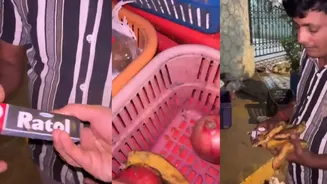
A concerning video emerging from the Malad area of Mumbai has ignited widespread anger and apprehension among the public. The footage captures a fruit
vendor in the act of allegedly applying rat poison to fruits displayed at his stall. In the circulated clip, the individual is seen handling bananas while in possession of a tube labeled 'Ratol', a known rodenticide. His accompanying statement, "Kharaab kele hain" (meaning "they have spoiled"), further intensifies the unease. Onlookers present at the scene expressed shock and disbelief, with one individual vocally questioning the vendor's actions, emphasizing that children consume these fruits. The concern escalates as another observer points to a pomegranate, asserting that the same toxic substance was applied to it as well, highlighting a potential widespread threat to unsuspecting consumers.
Public Outcry and Police Action
The video quickly went viral across social media platforms, eliciting profound distress from numerous users who viewed the disturbing content. For many households in India, procuring fresh fruits from local markets is an integral part of their daily routine. Incidents of this nature inevitably breed a sense of insecurity and unease, prompting scrutiny of common consumer practices. Following the widespread circulation of the video, a local resident named Kunal Salunke took immediate action by lodging a formal complaint at the Malad Police Station. Salunke alleged that two fruit sellers were involved in the illicit practice of applying rat poison to fruits intended for sale to the public. Responding promptly to the serious allegations, the police registered a case and apprehended both individuals for intensive questioning, treating the matter with the gravity it deserved due to its direct impact on public health and safety.
Vendor's Explanation and Legal Ramifications
During the interrogation process, the accused sellers reportedly offered an explanation to the investigating officers, claiming that the substance was applied with the sole intention of deterring rats from their fruit stall. This explanation, however, was met with stern disapproval from the authorities. Police officials firmly stated that the application of any such hazardous chemical to food items is inherently dangerous, irrespective of the purported motive. They underscored the severe health risks associated with the consumption of fruits treated with rat poison, which could lead to critical medical complications. The two men have been identified as Manoj Kumar Kesarwani and Bipin Kesarwani. Consequently, a case has been officially registered against them under Sections 125, 274, 275, and 286 of the Bharatiya Nyaya Sanhita, 2023, indicating the serious legal repercussions they now face as the investigation continues.
Broader Food Safety Concerns
This unsettling event has unfortunately reignited widespread discussions and concerns regarding the prevalent issues of food safety within India's bustling local markets. The incident serves as a stark reminder of the potential risks consumers face when purchasing food items from less regulated environments. Ultimately, the fundamental desire of every consumer is to have confidence and peace of mind, assuring them that the food they are bringing into their homes is safe and free from any harmful contaminants, especially for vulnerable family members. This case highlights the crucial need for enhanced surveillance, stricter enforcement of food safety regulations, and greater public awareness to ensure that such incidents do not recur and that consumer trust in the food supply chain is maintained and strengthened.