


Summer Food Hazards
The warmer months present unique challenges for food safety, significantly increasing the risk of foodborne illnesses. A distressing incident in Bihar,
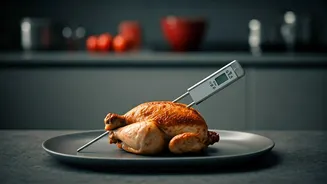
where a 20-year-old lost his life after consuming restaurant-packaged Manchurian and Kadhai Paneer, serves as a stark reminder of these dangers. This fatality, occurring just before a joyous family ceremony, plunged his loved ones into mourning and reignited concerns about the hygiene standards of food prepared and sold outside the home. Experts point to several key factors contributing to food poisoning, including bacterial contamination from pathogens like Salmonella and E. coli, often introduced through improper food handling, unclean preparation surfaces, or contaminated water. Furthermore, inadequate food storage during summer is a major culprit, as elevated temperatures accelerate bacterial multiplication, rendering food toxic. Consuming undercooked or raw foods, particularly meats and eggs, also poses a substantial risk, as insufficient heat may fail to eliminate harmful microbes. Finally, the use of contaminated water or ingredients, common in street food scenarios, can introduce dangerous pathogens, making food unfit for consumption.
Safe Home Cooking Practices
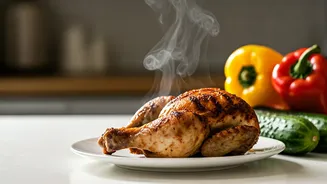
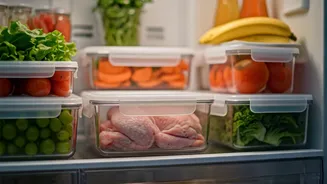
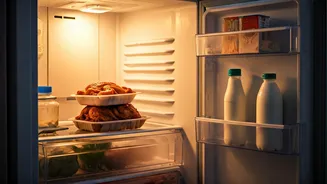
Preparing popular dishes like Manchurian and Kadhai Paneer at home requires diligent attention to hygiene, especially during summer. Begin by thoroughly washing and preparing all ingredients; for items like cabbage used in Manchurian, ensure they are meticulously cleaned to remove any potential worms or contaminants. When making Kadhai Paneer, verify the purity of the paneer itself, as adulterated versions can lead to severe digestive ailments. Maintaining a spotless cooking environment is paramount. Regularly disinfect kitchen countertops, chopping boards, knives, and all utensils to prevent cross-contamination. Pay close attention during frying: ensure that oil for deep-frying Manchurian balls or shallow-frying paneer is not overheated, and that food is cooked evenly on all sides to eliminate any undercooked areas where bacteria can thrive. Always check the expiry dates and condition of sauces, spices, and condiments like soy sauce, vinegar, and chili sauce before use, as these ingredients may not be used frequently and could have gone stale. Similarly, for Kadhai Paneer, inspect cream and malai for freshness before adding them. Store any leftover food in clean, odor-free containers and exercise caution when reheating; if there's any off-taste or smell, discard it immediately.
Ordered Food Vigilance
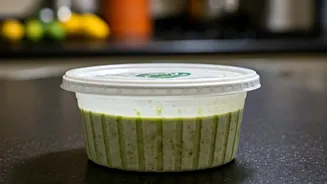
When enjoying meals ordered from restaurants at home during the summer, adopting specific safety protocols is essential. Upon receiving your order, meticulously examine the packaging for intact seals and any signs of damage or leakage. Always trust your senses: if the food has an unusual smell or appearance, it is best to discard it to avoid potential health risks. It is often necessary to reheat ordered food, especially if it has cooled down. To do this safely, transfer the food from its original packaging into a microwave-safe bowl. Avoid reheating food directly in the delivery container, as this can sometimes compromise its safety. Reheating food effectively kills any bacteria that may have begun to multiply. Once the food has arrived, do not delay in consuming it. Aim to eat within 30 to 40 minutes of its arrival. Leaving food at room temperature for extended periods provides an ideal environment for bacterial growth, significantly increasing the likelihood of food poisoning.