
Why Live Near?
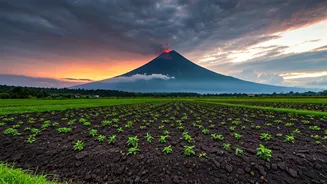
Living near a volcano may seem perilous, but for many, it's a part of everyday existence. The allure often lies in the fertile soil, excellent for agriculture,
resulting from volcanic ash deposits. This rich soil yields bountiful harvests, supporting local communities and agricultural economies. Furthermore, volcanoes attract tourism, providing employment opportunities in the hospitality industry, from hotels and restaurants to tour guides. Another factor is often limited space; in densely populated areas, people may have few alternative options. Ultimately, a combination of these factors makes volcanic regions home for numerous people worldwide.
The Benefits Explained
The fertile soil surrounding volcanoes is a key draw. Volcanic ash breaks down over time, enriching the soil with essential minerals. This results in highly productive farmland, capable of growing crops that thrive in this environment. Then comes tourism. Active volcanoes draw visitors eager to witness nature's power, which creates jobs and injects money into the local economy. Visitors create demand for services like lodging, food, and tours, leading to a flourishing tourism sector. In many locations, the option to move simply isn't available. Often, people have lived in these regions for generations, building communities and forging cultural connections, making relocation impractical.
Safety and Precautions
Living near a volcano isn't solely about accepting risk; it's also about managing it. Advanced monitoring systems, including seismographs and gas sensors, play a critical role. These tools track seismic activity, gas emissions, and ground deformation, providing vital data that allows scientists to predict potential eruptions. Early warning systems are crucial. When an eruption appears imminent, these systems alert residents, giving them the time to evacuate and protect themselves. Regular drills help communities prepare for emergencies. Furthermore, governments and local authorities often implement building codes designed to minimize the impact of volcanic hazards, such as ashfall and pyroclastic flows. Despite the dangers, safety measures make living near volcanoes a manageable risk for many.