







The Odor Problem Solved
Persistent household odors, whether from cooking, pets, or simply the passage of time, can be a nuisance. Many opt for artificial air fresheners that merely
mask smells, often with an overwhelming mix of synthetic fragrances. However, a return to a time-tested, economical solution is gaining traction: plain white vinegar. By placing a bowl of this common kitchen ingredient strategically, you can harness its natural deodorizing properties to cleanse your home's atmosphere. This method bypasses the need for chemical sprays, offering a gentle yet effective alternative for a cleaner-smelling home. The simplicity of this approach makes it accessible to everyone, transforming a basic pantry item into a powerful air purifier.
The Science of Scent Neutralization
The effectiveness of white vinegar as a deodorizer is rooted in chemistry, not just hearsay. Unlike typical air fresheners that merely overlay unpleasant scents with artificial perfumes, vinegar actively neutralizes odor-causing particles. The key lies in its acetic acid content. As the acetic acid evaporates from the bowl overnight, it actively seeks out and chemically reacts with alkaline odor molecules. These alkaline particles are the culprits behind common household smells like those from cooking, pet dander, and smoke. The interaction between the acidic vinegar and the alkaline odors results in the formation of neutral salts, effectively eliminating the offensive smells at their source and leaving the air feeling genuinely fresh, rather than just masked.
Eco-Friendly and Chemical-Free
Embracing white vinegar for odor elimination aligns with a growing preference for greener, healthier cleaning practices. Regulatory bodies and environmental advocates often promote the use of biodegradable ingredients in household products. Utilizing vinegar bowls significantly reduces reliance on commercial air fresheners, many of which contain volatile organic compounds (VOCs) and phthalates. These chemicals can be irritants to the respiratory system, leading to discomfort or allergic reactions for some individuals. Vinegar offers a natural, non-toxic alternative that safely breaks down odor compounds without introducing potentially harmful substances into your indoor environment, contributing to a healthier living space for all occupants.
Vinegar's Deodorizing Power
Research and educational resources confirm the potent deodorizing capabilities of vinegar. Publications from cooperative extension services highlight that many household cleaning and odor removal tasks can be accomplished using simple ingredients like vinegar and baking soda. Vinegar functions as a mild acid, adept at dismantling alkaline substances that cause common household smells. For instance, odors from cooking oils, grease, and even pet waste, such as cat or dog urine, are typically alkaline. When vinegar's acetic acid encounters these alkaline odor molecules, a chemical reaction occurs, creating odorless salts. This process allows the vinegar to absorb and neutralize unpleasant smells over time, leaving your home with a clean scent. While a faint vinegar aroma might be present in the morning, it dissipates quickly upon airing out the room.
Simple Application and Precautions
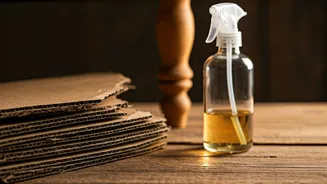
For a more immediate or targeted approach, a diluted vinegar solution can be prepared. A common ratio involves mixing one part white vinegar with four parts water. This mixture can be used for general air freshening or applied to surfaces like fabrics, carpets, and curtains where odors might linger. However, it's crucial to be mindful of where vinegar is applied. As an acid, it can react with and damage certain materials. Avoid using vinegar on porous natural stones like marble and granite, as well as untreated wood surfaces, as it can cause erosion and dull finishes. While effective against most alkaline odors, vinegar may not be sufficient to address severe issues like extensive mold growth, which requires different remediation strategies.