





Raw Milk Risks
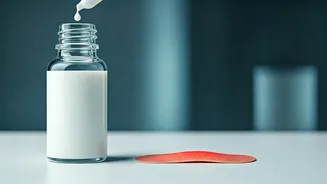
Let's debunk a significant misconception: lab-created lactic acid in skincare products differs vastly from the actual milk found in your refrigerator.
If you have a severe dairy allergy, applying dairy proteins directly to your skin can quickly result in uncomfortable symptoms like hives, intense itching, and redness. Furthermore, attempting DIY milk moisturizing can introduce bacteria onto your skin. Real milk also lacks the essential occlusive ingredients needed to effectively trap moisture. Instead, its natural fats can clog pores, potentially leading to unpleasant body acne outbreaks.
The Sunscreen Slip-Up
A common pitfall many people encounter without realizing it is using smoothing lactic acid lotions on their limbs and then venturing into sunlight without adequate sun protection. This is a critical error. Lactic acid works by speeding up the skin's natural cell renewal process, bringing new, delicate skin to the surface. However, this newly revealed skin is exceptionally susceptible to the damaging effects of UV radiation. For individuals with naturally deeper skin tones, neglecting sunscreen after AHA application can unfortunately trigger post-inflammatory hyperpigmentation, paradoxically causing the very dark spots one might have been trying to address.
Sensitive Skin Concerns
If you struggle with conditions like eczema, rosacea, or psoriasis, it's advisable to approach acid-based skincare with caution. While the beauty community often promotes lactic acid as the most gentle Alpha Hydroxy Acid (AHA) due to its larger molecular size, which allows for less aggressive skin penetration compared to acids like glycolic, it remains a potent exfoliant. When your skin's natural barrier is already compromised and struggling to maintain its integrity, the act of dissolving the uppermost layer of dead skin cells can be highly detrimental. This can manifest as severe stinging, unexpected burning sensations, and significant skin inflammation.
Understanding Concentrations
The effectiveness and impact of lactic acid can vary significantly based on its concentration in a product. Lotions containing less than 5% lactic acid typically function as humectants, drawing moisture into the skin and enhancing hydration, which is beneficial for very dry complexions. However, when the concentration rises to 10% or 12%, the product becomes a powerful chemical exfoliant. While these higher percentages are effective for addressing issues like "strawberry legs" by dissolving stubborn keratin, sensitive skin often cannot tolerate such intense daily exfoliation, potentially leading to blistering and severe peeling. It's crucial to respect lactic acid, always check product percentages, and prioritize sunscreen use.
Avoiding Over-Exfoliation
Combining multiple exfoliating treatments can be detrimental to your skin's health. If you regularly use harsh physical scrubs, loofahs, or body washes containing salicylic acid (a Beta Hydroxy Acid or BHA) to combat breakouts, and then also apply a daily lactic acid lotion, you're risking severe over-exfoliation. This aggressive approach can strip the skin of its essential protective layers, leading to a tight, uncomfortably shiny appearance, and making it prone to micro-tears and redness. Recognizing the signs of an over-exfoliated state is key to preventing further damage.