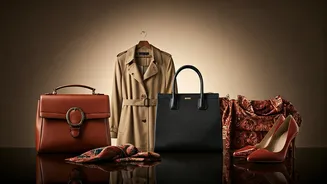

Fashion's Timeless Allure
Fashion's appeal lies in its multifaceted nature, representing creativity, self-expression, and societal evolution. Throughout history, fashion has been
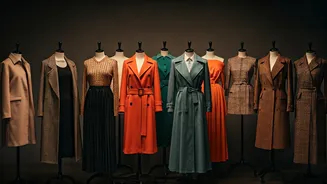
a mirror reflecting cultural values, economic conditions, and technological advances. From the opulent styles of royal courts to the rebellious aesthetics of countercultures, fashion has constantly redefined itself, captivating generations. This dynamic aspect keeps it relevant, continually influencing trends and influencing our individual identities. The fashion landscape is in perpetual motion, continually redefining itself through ever-changing styles and influences.
Key Fashion Movements
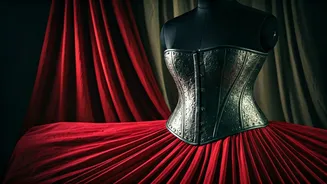
Fashion has been shaped by impactful movements that marked turning points in its evolution. The Victorian era saw the rise of corsets and elaborate dresses reflecting societal norms, while the flapper era embraced freedom and modernity with shorter hemlines and looser silhouettes. The post-World War II period saw the New Look revolutionizing women's fashion with a focus on elegance and femininity. The 1960s brought forth the youthquake, with mini-skirts and bold colors representing cultural shifts. Punk, grunge, and hip-hop influenced fashion, embodying rebellion and subcultures. These movements highlight the interaction between fashion, culture, and societal values, shaping our understanding of style.
Iconic Designers' Legacy
Several designers have left an undeniable mark on fashion history, influencing trends and setting standards for generations. Coco Chanel, with her minimalist aesthetic and revolutionary designs, challenged traditional views of women's fashion. Christian Dior's New Look brought elegance back to post-war fashion, while Yves Saint Laurent's innovations, like the tuxedo suit for women, broke barriers. Designers like Giorgio Armani and Ralph Lauren redefined elegance and practicality. Their contributions encompass iconic pieces that continue to inspire designers, shaping the industry and influencing fashion's evolution. These designers’ creativity continues to affect our perception and appreciation for style.
Fashion's Societal Impact
Fashion's influence goes beyond aesthetics, with far-reaching societal effects. Fashion reflects societal values, as seen in how different cultures and eras have embraced distinct styles. It can function as a tool for self-expression, with clothing providing a canvas for individuals to display their identities and affiliations. Fashion also drives economic activity, influencing industries like manufacturing, retail, and marketing. However, fashion faces challenges such as ethical considerations related to labor practices and sustainability. Addressing these concerns is crucial for a responsible and balanced fashion industry. Fashion's evolution is inherently intertwined with societal progress, requiring consideration of its impacts.