







Humble Beginnings
The genesis of Eco Park, situated in New Town, wasn't the lush, manicured landscape it is today. Initially, the site was a vast expanse of undeveloped
land, characterized by wetlands and an absence of mature trees. Partha Sarathi Ghosh, instrumental in its early stages, recalls the area being a nascent project, with only a few gates and a section known as Maser Bela. The primary feature was the water body, with very little in terms of vegetation. The transformation began with systematic plantation drives and the subsequent development of specific attractions like a rose garden and a rainforest. In these formative years, visitor numbers were relatively modest, with weekend crowds around three to five thousand people, swelling considerably during the winter months from November to March. The burgeoning popularity quickly presented logistical hurdles, particularly concerning parking, as the park had to accommodate over a thousand cars daily. The administrative team was also quite small, comprising just a curator, a manager, and a few office staff, yet they successfully managed immense crowds, even on a single day like December 25th, which saw approximately one lakh visitors requiring significant crowd control.
A Thriving Oasis
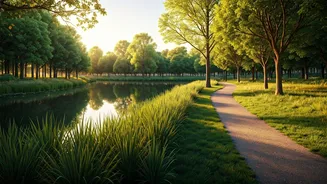
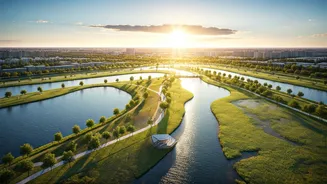
Over time, Eco Park has blossomed into an expansive, multi-faceted recreational area centered around a substantial water body, now standing as one of India's largest urban parks. Its development has incorporated diverse themed gardens and engaging activity zones, drawing thousands of visitors weekly. Among the most cherished attractions are the miniature toy train, which captivates families as it winds through different park sections, and the Eco-cart service. The park also boasts a variety of themed gardens, including a popular Japanese garden and the aesthetically pleasing Prajapati garden. Infrastructure improvements have been continuous; for instance, the central island, once accessible only by boat, now features a bridge. Furthermore, Eco Park has become a venue for various events and public gatherings, hosting displays by industrial houses and serving as a community meeting point. For many Kolkatans, it offers a blend of daily leisure and unique experiences. Visitors like Arindam Saha appreciate the park's versatility, enjoying activities such as walking near the solar dome, admiring an Eiffel Tower replica, or simply relaxing by the water, highlighting its dual role as an active and tranquil retreat.
Why It Resonates
Eco Park's enduring appeal stems from several key factors that highlight its significance in Kolkata's urban fabric. Primarily, its creation represents a remarkable feat of transforming undeveloped marshland and open terrain into one of the city's most expansive green lungs, providing much-needed breathing space for the rapidly growing New Town area. The park has cemented its status as a weekend tradition for families across the city, thanks to its delightful toy train rides, diverse themed gardens, scenic lakeside walks, and numerous activity zones. It serves as a microcosm of New Town's own evolution, mirroring its transition from a bare landscape to a meticulously planned urban center that prioritizes leisure, culture, and community engagement. Beneath its polished exterior lies a narrative of incremental planning, adaptive improvisation, and the effective management of crowds and logistics as the park steadily expanded. Ultimately, Eco Park stands as a powerful reminder that even within a bustling, expanding metropolis, there remains ample space for tranquil areas where individuals can decompress, enjoy nature, and simply appreciate the quiet beauty of an evening.