



The Healthy Deception
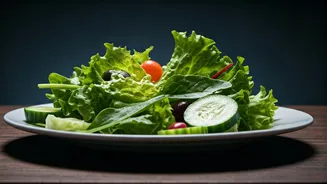
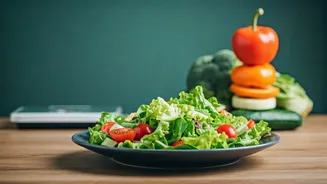
Salads are widely embraced as the ultimate health food, associated with freshness and vitality. However, this perception isn't always accurate. When assembled
without careful consideration, certain salads can paradoxically leave you feeling unsatisfied, drained of energy, or consuming more calories than anticipated. The fundamental misunderstanding often stems from equating any bowl of leaves with a healthy meal. While vegetables are undoubtedly beneficial, a salad lacking the correct balance of food groups may fail to provide the essential nutrients your body requires for sustained well-being and optimal functioning. This imbalance can lead to a cascade of negative effects, undermining the very health goals the salad was intended to support.
The Protein Deficit
A significant issue plaguing many salads is the conspicuous absence of protein. Typically, these meals comprise primarily leafy greens, a scattering of other vegetables, and perhaps a light dressing. This combination offers valuable fiber and vitamins but critically lacks protein. Protein is indispensable for promoting satiety, helping you feel full for extended periods, and is vital for muscle maintenance and ensuring stable blood sugar levels. Without adequate protein, you're likely to experience hunger pangs within an hour of consumption, prompting unhealthy snacking and derailing your dietary efforts. This deficiency turns what should be a complete meal into a mere appetizer.
Hidden Calorie Traps
Another prevalent problem with salads lies in the clandestine accumulation of calories from dressings and toppings. Creamy concoctions, excessive use of olive oil, generous portions of cheese, crunchy croutons, and fried components can swiftly transform a simple salad into a calorie-dense meal. In essence, these additions can elevate a seemingly healthy dish to a nutritional profile comparable to fast food. The visual appeal of fresh ingredients can mask a high-calorie reality, leading to unintentional overconsumption and counteracting the health benefits one seeks from a salad.
Satiety Slippage
A generous bowl brimming with raw vegetables, while visually substantial, may not provide lasting satisfaction if it lacks essential healthy fats and complex carbohydrates. This deficiency can lead to subsequent fatigue, irritability, and an overwhelming urge for less healthy food choices later in the day. For peak performance, your body necessitates a harmonious blend of all macronutrients: carbohydrates for energy, protein for fullness and repair, and fats for nutrient absorption and hormone production. A salad missing these crucial elements fails to equip your body with the sustained energy it needs.
Digestive Distress
For some individuals, salads can present a challenge to their digestive system. Consuming large quantities of raw vegetables can trigger bloating and discomfort, particularly for those with sensitive digestive tracts. To mitigate these issues, lightly cooking the vegetables can be beneficial. Additionally, incorporating digestive aids like lemon juice or fermented foods into your salad can significantly enhance your body's ability to process the ingredients. These adjustments can make a substantial difference in how comfortably you digest your greens.
Nutritional Void
Many salads marketed as 'healthy' prioritize low calorie counts over genuine nourishment. By omitting sources of protein, nuts, seeds, or whole grains in an effort to reduce calories, these meals become less satisfying and significantly less nutritious. This approach creates a void in essential nutrients, leaving you feeling deprived and inadequately fueled. True health-focused eating involves building meals that provide comprehensive nourishment, not just restricting caloric intake.
Crafting a True Salad
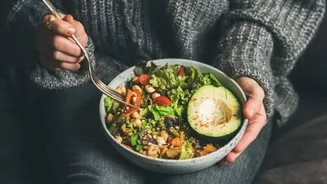
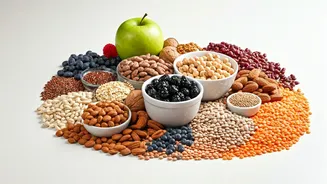
To transform a salad into a genuinely healthy and satisfying meal, approach it as a complete dining experience rather than a side dish. Start with a base of fresh, diverse vegetables. Then, incorporate a quality source of lean protein, such as grilled chicken, tofu, or legumes. Essential healthy fats, like those found in nuts, seeds, or extra virgin olive oil, are crucial. Adding complex carbohydrates from sources like quinoa or sweet potatoes provides sustained energy. Be mindful of your dressing and topping choices; simple combinations like a lemon-based vinaigrette or a yogurt-based dressing are ideal. The key lies in the thoughtful integration of all these components.