








The Rising Threat
In recent times, the comfort provided by air conditioners has been overshadowed by alarming incidents of explosions, leading to fatalities and widespread
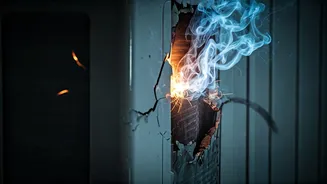
destruction in areas like Delhi and Ghaziabad. These events underscore a critical vulnerability in a household appliance many consider indispensable during India's sweltering summers and oppressive humidity. The sheer power of these machines, pushed to their limits by extreme weather, can transform them into dangerous hazards when they malfunction. The back-to-back occurrences of AC blasts have understandably instilled a sense of unease and heightened concerns among residents about the safety within their own homes. A devastating fire in Delhi's Vivek Vihar, suspected to have originated from an AC explosion, claimed at least nine lives in the early hours of a Sunday. This incident followed closely on the heels of another major fire that engulfed seven floors of a high-rise in Ghaziabad, reportedly caused by an AC blast in one of the apartments. Just the day prior, an AC explosion in Noida was attributed to its main switch being left on during repair work, highlighting how simple oversights can have dire consequences.
Underlying Causes Revealed
The phenomenon of AC explosions, while alarming, can often be traced back to several common factors. One significant culprit is the type of refrigerant used. While modern ACs typically employ safer refrigerants like R-134a or R-410A, the market can sometimes be flooded with cheaper, counterfeit hydrocarbon gases that are highly flammable. If a leak occurs, especially near a source of ignition such as a spark from the compressor or faulty wiring, these gases can ignite explosively. Therefore, it is paramount to always ensure that certified and genuine parts are used. Another major contributor is poor maintenance. When filters, coils, and airflow passages become blocked with dust and debris, the AC's compressor is forced to work harder, leading to overheating and a dangerous build-up of pressure within the system. Without routine cleaning, this persistent strain can eventually cause components to rupture violently. Simple, regular maintenance, such as cleaning filters monthly and arranging for expert, official servicing annually, can go a long way in preventing these issues and ensuring smooth, safe operation. Electrical faults also play a crucial role; short circuits, incorrect wiring, or system overloads can generate excessive heat within the unit, potentially leading to fires. Motors or capacitors can fail catastrophically under the strain of prolonged use in hot weather. Utilizing voltage stabilizers, conducting yearly inspections of wiring, and avoiding the use of extension cords can mitigate these electrical risks. Finally, improper installation is a common pitfall. An incorrectly set-up window or vehicle AC unit can lead to pressure imbalances or seal failures. If safety valves malfunction, pressure can spike dramatically, potentially resulting in an explosion. It is essential to engage certified installers who meticulously test the unit to ensure it operates with balanced pressure and is completely free of leaks.
Essential Safety Precautions
Preventing AC explosions requires a proactive approach and adherence to specific safety protocols. Before undertaking any repair work on an air conditioning unit, it is absolutely critical to switch it off completely and ensure that all residual power has been discharged. Following any leak testing, all traces of nitrogen must be thoroughly removed from the system to prevent potential hazards. Proper vacuuming procedures are also vital to eliminate air and moisture, which can degrade system performance and increase pressure. Regular maintenance is non-negotiable; this includes diligently checking and maintaining refrigerant levels, keeping coils and filters clean, and performing consistent checks on all wiring for any signs of wear or damage. When it comes to repairs and maintenance, it is strongly advised to hire certified professionals rather than attempting any DIY fixes, as AC systems involve complex and potentially dangerous electrical and refrigerant components. The information provided here is intended for general educational purposes and should not be considered a substitute for professional advice. For any inspection, maintenance, or repair needs, always consult a qualified and certified technician or HVAC professional.