







Scalp's Summer Savior
As April concludes and the intense heat of summer arrives, many individuals experience discomfort due to rising humidity. This often leads to issues like
sweaty scalps, persistent itching, and the unwelcome return of dandruff, making everyday life frustrating. While commercial products promise relief, a traditional, do-it-yourself approach using camphor hair oil offers a surprisingly simple and effective solution. This potent, cooling treatment can be prepared quickly in your own kitchen, providing a refreshing respite and promoting healthier hair. The magic lies in camphor's ability to provide immediate relief from heat-induced itchiness by interacting with nerve endings. Furthermore, its inherent antibacterial and antifungal properties combat summer dandruff, which thrives in humid conditions. The invigorating tingling sensation also plays a crucial role by stimulating blood circulation to the hair follicles, ensuring better delivery of oxygen to the roots and consequently minimizing hair fall, making it an ideal summer hair care essential.
Essential Ingredients Unveiled
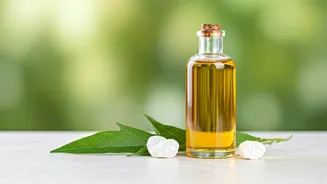
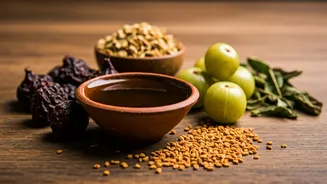
Crafting this beneficial hair oil requires only two primary components, making it both accessible and economical. The first key ingredient is organic coconut oil, with a suggested quantity of half a cup. This acts as a crucial carrier oil, providing nourishment to the scalp and hair while preventing the camphor from causing any skin irritation. A standard 100ml bottle of cold-pressed coconut oil is typically priced between INR 150 and INR 250, representing a reasonable investment. The second essential ingredient is camphor itself, with approximately 2 to 3 grams needed, which equates to one or two small pieces. Authentic, plant-sourced Bhimseni camphor is readily available in small jars for around INR 80 to INR 120. It is absolutely vital to ensure you are using pure, edible, or Bhimseni camphor and to strictly avoid synthetic camphor tablets commonly used in religious ceremonies. These synthetic alternatives are manufactured with harsh chemicals that can inflict severe damage to your scalp and hair, negating any potential benefits and causing adverse reactions.
Brewing Your Potion
The preparation of this cooling hair elixir is remarkably straightforward, with the most critical factor being precise temperature management. Begin by pouring your measured coconut oil into a clean bowl, preferably made of glass or steel. The oil needs to be gently warmed. The most effective and safest method for this is the double boiler technique, where your bowl is placed over a larger pan filled with hot water. Alternatively, if heating the oil directly on a stove, ensure the flame is kept at the absolute lowest setting. The oil should feel comfortably warm to the touch; it must not reach a boiling or smoking point, as this will degrade the beneficial nutrients. While the oil warms, take the back of a spoon and carefully crush the camphor pieces into a fine powder. Once the coconut oil reaches the desired warm temperature, immediately remove it from the heat source. Add the finely crushed camphor powder to the warm oil and stir continuously until it has completely dissolved. Allow this mixture to cool down naturally to room temperature before transferring it into a clean applicator bottle or a storage jar for easy use.
Application Technique
When you're ready to apply the camphor hair oil, focus your attention primarily on the scalp rather than the lengths of your hair. Dispense a small amount of the cooled mixture and, using gentle circular motions, massage it directly into your hair roots. Concentrate the application on the entire scalp, paying special attention to areas that tend to get extra sweaty or itchy, such as the nape of your neck. Allow the oil to penetrate for approximately 30 to 60 minutes. You should begin to feel a distinct cooling, tingling sensation almost immediately after application. Following the waiting period, thoroughly rinse the oil out of your hair using a mild and gentle shampoo. It is recommended to use this treatment only once or twice a week. Daily application can be excessive and may lead to dryness of the scalp. Given camphor's potency, performing a small patch test on the skin behind your ear before full application is a prudent step. If you experience any burning or significant redness, wash the area off immediately.