







Sound's Therapeutic Power
Sound therapy, also known as auditory therapy, is not a new concept, yet its application in treating Alzheimer's disease is gaining momentum. The underlying
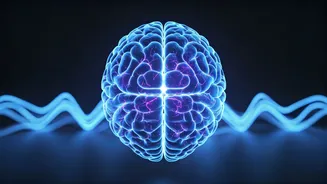
principle is that specific frequencies and sound patterns can stimulate different areas of the brain. The brain's plasticity, or its ability to change and adapt, is crucial in this context. Sound therapy, by leveraging this plasticity, aims to improve cognitive functions like memory, language, and attention, which are often compromised by Alzheimer's. The focus is on using sound to help the brain repair, rewire, and create new neural pathways. While music therapy has been used for years, this approach has the potential to become a targeted treatment that could be more efficient and potent than conventional therapies. Research is currently exploring how precisely sound can be utilized to target the specific areas of the brain affected by Alzheimer's, making it a promising area for further study and development.
Brain's Response To Sound
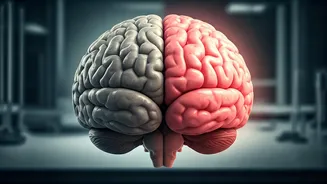
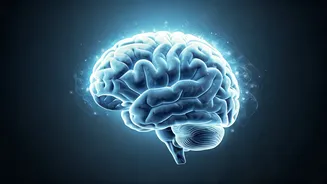
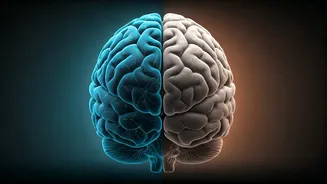
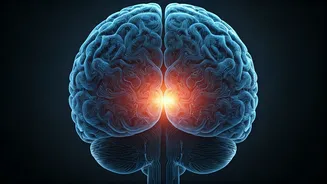
The brain's structure and activity are significantly influenced by sound. Different frequencies and auditory stimuli trigger diverse responses in the brain. Specific sound waves, for instance, can stimulate the hippocampus and the amygdala, brain areas pivotal for memory and emotion processing, respectively. The use of sound therapy in Alzheimer's patients aims to harness this connection, encouraging these areas to remain active and functional, possibly slowing cognitive decline. It's believed that by regularly exposing patients to tailored sound patterns, neural connections can be strengthened and improved. The sound waves, in essence, act as a catalyst, encouraging the formation of new neural pathways and improving communication between brain cells. Moreover, sound therapy also addresses the reduction of some behaviors, such as agitation and anxiety that are often associated with Alzheimer's. This all-encompassing strategy targets both the cognitive and emotional facets of the disease, providing a more holistic method of care.
Research and Development
Although the application of sound therapy in Alzheimer's treatment is still in its infancy, early research results are encouraging. Scientists are investigating the effectiveness of sound-based interventions in clinical trials. These studies generally involve exposing patients to specific sound frequencies or musical compositions. The aim is to monitor changes in their cognitive abilities, mood, and daily life. Preliminary findings suggest that sound therapy may improve cognitive function in some people with Alzheimer's, enhance their emotional well-being, and decrease challenging behaviors. However, it's essential to recognize that this field is evolving. The need for larger, more rigorous clinical trials to validate these early observations is paramount. Researchers are working to identify the most effective types of sound stimuli, the optimal durations of therapy, and the specific patient groups who are likely to benefit most from this treatment approach. This rigorous scientific process is crucial for establishing the effectiveness of sound therapy as a legitimate medical treatment.
Future Possibilities Explored
The potential of sound therapy extends far beyond simply treating symptoms. Scientists are exploring how sound might be used to halt or even reverse the progression of Alzheimer's. Future possibilities may involve individualized sound therapy plans tailored to a person's specific brain activity. It might be possible to use advanced imaging techniques to map the brain activity of a patient. Then, a custom sound profile is designed to target damaged areas and stimulate neural repair. This targeted approach could lead to significantly better results compared to more generalized methods. Moreover, researchers are looking at combining sound therapy with other treatments, like medication and physical therapy, to create comprehensive care plans. The integration of different medical and therapeutic approaches may allow for the development of holistic treatments that address multiple aspects of the disease. While many challenges remain, sound therapy represents a promising avenue for providing improved care for individuals with Alzheimer's and to enhancing their quality of life in the future.