



Jewellery as Foundation
The traditional fashion order is being overturned; what was once considered a finishing touch is now the primary design element. For years, outfits were
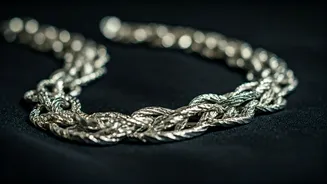
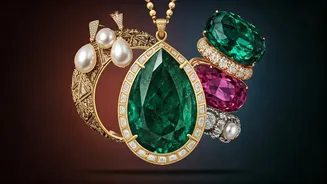
meticulously constructed, with jewelry added almost as an afterthought to complete the ensemble. However, this conventional approach is rapidly becoming a relic of the past. Recent haute couture collections have clearly demonstrated this seismic shift. At prestigious fashion houses, designers showcased dramatic, oversized earrings that sliced through sharp, tailored ensembles, and sculptural, almost artefactual pieces that commanded attention. This evolution has also permeated celebrity styling, where a single, bold cuff, a striking pendant, or a unique earpiece now serves as the central focus, holding the entire look together on the red carpet. For those daring to push boundaries, avant-garde pieces like metal corsets and ornate breastplates are also experiencing a significant resurgence, underscoring the growing prominence of jewelry as a standalone statement. This trend is not limited to high fashion; it's influencing bridal wear too, with statement earrings increasingly taking precedence over necklaces, signifying a complete reimagining of how adornment integrates with attire.
Bold Pieces, Intentional Style
The current fashion landscape is characterized by a deliberate move towards selecting fewer, yet more impactful, clothing items. This philosophy is mirrored in the way jewelry is now conceived and worn. Designers and stylists alike are championing pieces that possess inherent strength, capable of anchoring an entire look without requiring extensive support. This approach emphasizes intention in wardrobe curation, advocating for a collection of garments and accessories that are chosen with careful consideration for their individual impact. The essence of this movement lies in its simplicity and precision: strip away the superfluous and allow a single, powerful piece to carry the narrative. This is why many of the jewelry designs emerging now possess a certain gravitas. Scale remains important, but its significance is redefined, focusing less on sheer size and more on the piece's presence and how it interacts with the wearer's body. The goal is for the jewelry to influence posture and movement, fundamentally altering how one carries themselves and inhabits space. This elevates jewelry from a mere decorative item to an integral component that shapes personal presentation and attitude.
Art, Identity, and Meaning
This paradigm shift elevates jewelry beyond its traditional role as an accessory, positioning it more akin to a collectible art object. Pieces are designed and perceived as artifacts, imbued with a sense of discovery, narrative, and profound significance. In an increasingly digitized world, the tactile nature of jewelry offers a vital connection to physicality – its weight, its flow, and its tangible presence on the body. This emphasis on the corporeal experience also fuels a resurgence in symbolism. Charms, talismans, and zodiac motifs are gaining prominence, not just for their aesthetic appeal, but for the deeper layers of meaning they convey. Consumers are actively seeking pieces that resonate on a personal level, expressing identity, belief systems, or cherished memories. This movement signifies a departure from jewelry being solely tied to specific occasions or social events; it's now intrinsically linked to personal identity and self-recognition. In an era dominated by ephemeral digital imagery, jewelry offers a grounding, tangible form of expression that moves with the wearer and solidifies their style narrative.