




Internal Buildup Woes
Your washing machine, despite its cleaning purpose, can become a source of stains due to accumulated residues. Over time, detergent, fabric softener, and
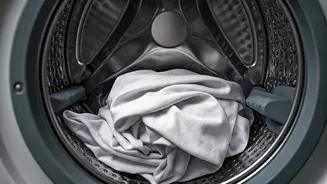
even dirt particles might not fully rinse away, forming a film inside the drum, along the door seals, and within the detergent compartments. This persistent film can then detach during subsequent washes, transferring onto your clothes as unsightly greyish smudges. Furthermore, damp environments within the machine, particularly around rubber seals and dispensers, can foster the growth of bacteria and mould. Research highlights how these microbes can transfer to fabrics, impacting not just cleanliness but also the overall freshness of your garments. Overloading the machine also hinders the free movement of clothes, preventing proper rinsing and soap dispersion. Incorrectly using fabric softener, such as pouring it directly onto fabrics, can also leave behind stubborn spots that are difficult to remove. Even the best intentions can go awry if detergent or softener amounts are excessive, leading to suds that don't fully dissipate, contributing to residue buildup and eventual staining. The rubber door seal, often left damp after a cycle, is a prime breeding ground for mould, which can unfortunately transfer to your clothes, leaving behind both discolouration and an unpleasant odour.
Mechanical & Water Issues
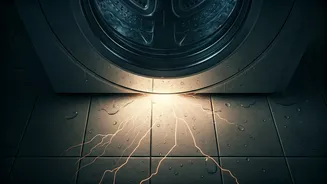
Beyond simple buildup, certain stains can signal underlying mechanical problems within your washing machine. For instance, rust-coloured marks often indicate that internal components are corroding, releasing tiny particles of rust into the water during the wash cycle. Hard water, characterized by high mineral content such as calcium and magnesium, also plays a significant role. These minerals can deposit inside the machine's drum and pipes over time, leaving a chalky or dull residue on your clothes, diminishing their brightness. The accumulation of these minerals can also reduce the efficacy of detergents, making your washing less effective. Another often-overlooked cause is the condition of the machine's filters. If these become clogged with sediment or rust, they can compromise the rinse cycle's effectiveness, meaning some dirt might not be fully washed away. Additionally, wear and tear on internal parts like seals and bearings can lead to leaks of oil or grease into the drum. These oily stains often appear dark and feel greasy, presenting a challenge to remove once they've set into the fabric. A small stain on one item can quickly spread to other garments in the same load, exacerbating the problem.
Preventative Maintenance Tips
Fortunately, these common washing machine issues are largely preventable and addressable with consistent care. Implementing a regular cleaning schedule is highly effective. Aim to run a hot water cycle with a dedicated washing machine cleaner monthly to dissolve any accumulated residues and buildup. Don't forget to manually clean the gasket seal and the detergent dispenser, as these are often overlooked areas where dirt can hide. Using the correct amount of detergent is crucial; always refer to the product's instructions rather than guessing, as over-dosing can lead to excessive suds and residue. Pay attention to the size of your laundry loads. Ensure clothes have ample space to move freely within the tub so that water and detergent can circulate properly for thorough cleaning. For households experiencing hard water, consider using a descaler or a water softener to mitigate mineral deposits, which will benefit both your machine and your laundry. Periodically inspect your washing machine for any signs of rust, mould, or worn seals. Addressing these issues early can prevent more significant problems and costly repairs down the line. If you consistently notice oil stains or recurring rust marks, it might be an indication that specific parts need replacement. By taking these proactive steps, your washing machine can efficiently return to its primary function of delivering clean, stain-free clothes.