


The Body's Unspoken Language
There's a profound moment when attire transforms perception, as a simple kurta can hold more allure than an expensive suit for an Indian man. This isn't
just about personal preference; it's a deeper resonance where clothing harmonizes with the wearer's natural form. While distinct silhouettes like the Korean Hanbok and Western tailoring are celebrated for suiting their respective cultural bodies, Indian male frames possess unique characteristics. These include a broader chest, a more pronounced torso, and subtle curves that often go unaddressed by international fashion trends. When these borrowed styles are applied without adaptation, they can feel ill-fitting, lacking the effortless drape and natural settling that signifies true sartorial harmony. It's the subtle discomfort, the sense of speaking with an unfamiliar accent, that signals a misalignment between the garment and the body, a disconnect that fashion often overlooks in its rapid global march.
Ethnic Wear's Enduring Appeal
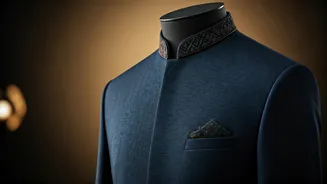
The persistent popularity of Indian ethnic wear, such as kurtas, bandhgalas, and achkans, is not merely a nod to tradition but a testament to their inherent design wisdom. These garments were conceived centuries ago with the Indian male physique as their blueprint, long before the advent of modern body-type analysis. They are expertly crafted to accommodate a fuller chest without exaggeration, provide ample room for the midsection without creating bulk, and enhance verticality without compromising perceived height. Crucially, they possess the remarkable ability to soften masculine features, projecting an aura of calm composure rather than aggressive sharpness. This inherent adaptability is why a man in a plain kurta can exude understated elegance and appear perfectly balanced, even in the presence of someone adorned in a more elaborate Western ensemble. The ethnic garment achieves a beautiful synergy with the Indian male silhouette, a connection that transcends mere fashion.
Celebrity Stylists' Secret
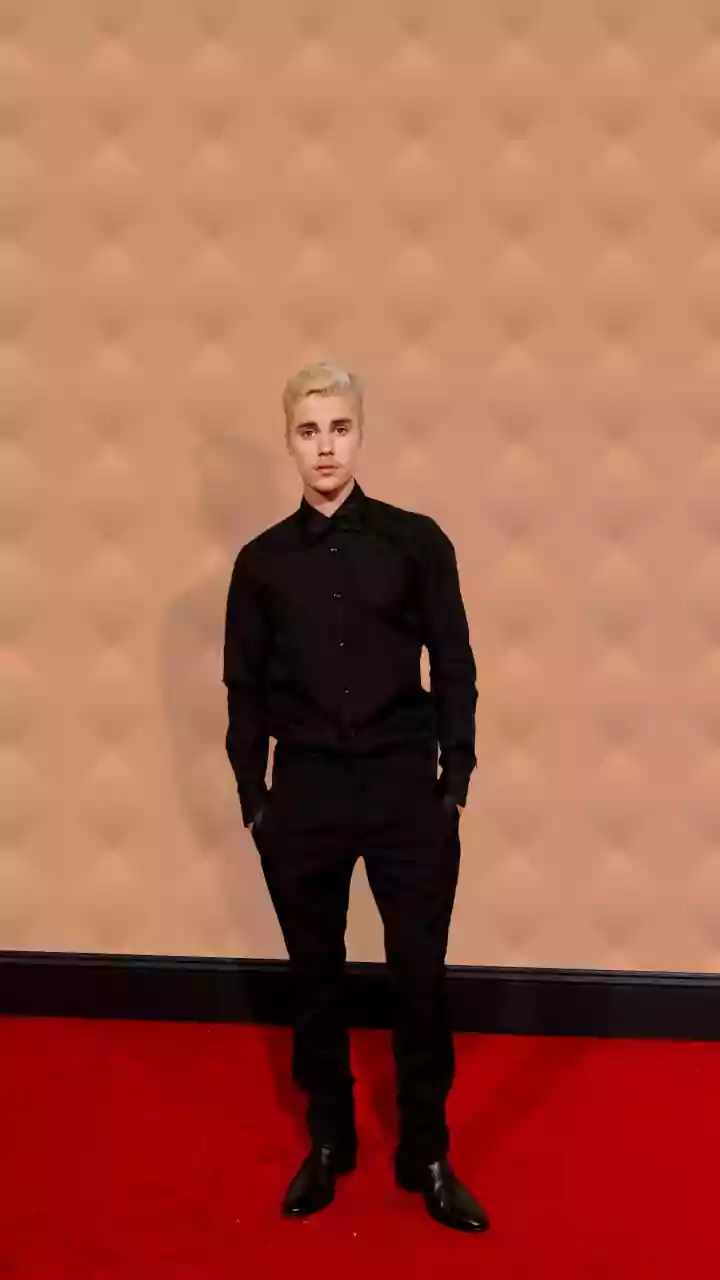
Observing how Indian male celebrities master their public appearances reveals a deliberate strategy, far removed from fleeting trends. For instance, a wedding look that resonates with authenticity and balance, like Ranbir Kapoor's, isn't a product of chance but of meticulous styling. Rather than chasing novelty, seasoned stylists focus on refining proportions, making minute adjustments to lengths, and selecting fabrics that possess a natural drape rather than a restrictive cling. The ultimate objective is not to make the individual appear fashionable in a generic sense, but to ensure they look comfortably 'settled' in their attire. This involves understanding how to enhance their natural presence by working with their body's contours, a principle that underpins many of the most iconic and enduring male style moments in Indian cinema and beyond.
Navigating Indian Masculinity
Indian men often find themselves balancing a complex array of societal expectations. They are encouraged to embody modernity without ostentation, project masculinity with gentleness, and exude confidence without being overbearing. This nuanced identity stands in contrast to the often assertive or dominant aesthetic promoted by Western fashion, and the delicate, refined presentation favored in Korean styles. Consequently, garments that strictly adhere to these international trends can feel alienating, as they impose an external archetype that doesn't align with an Indian man's inherent self-perception. Such styles inadvertently ask them to inhabit a persona that isn't their own, leading to a sense of inauthenticity that can undermine their personal style efforts.
Embracing Personal Style
The true transformation in an Indian man's style journey occurs when he shifts focus from emulating global trends to embracing what genuinely feels comfortable and charming on his unique physique. This pivot allows for the natural adoption of garments that possess superior fit and drape, such as trousers that sit more favorably and jackets that soften at the shoulders. Fabrics begin to carry more weight, texture, and inherent gravity, while the strategic use of length contributes to an overall sense of ease and sophistication. The outcome is not dictated by passing fads but is deeply personal, reflecting an individual's innate sense of style. This authentic expression, rooted in understanding one's own form, inherently reads as more polished and valuable than any trend-driven outfit.
Intelligent Dressing, Not Copying
What resonates with Indian male frames is not a matter of being old-fashioned or conservative, but rather a demonstration of intelligent dressing. This approach is built upon a profound understanding of proportion, a deep respect for anatomical realities, and the ability to project presence without forcing an aggressive display of power. The 'copy-paste' mentality of global fashion often mistakenly assumes that bodies are universally interchangeable, a notion that simply doesn't hold true. When an Indian man truly experiences the transformative impact of dressing in accordance with his natural form, the allure of generic Western attire like tuxedos diminishes significantly. He then confidently gravitates towards designers who understand and celebrate the Indian male silhouette, recognizing the inherent superiority of styles crafted with his body in mind.