



A Tapestry Woven
The history of fashion in India is complex, interwoven with tradition, modernity, and a multitude of regional influences. For centuries, clothing served
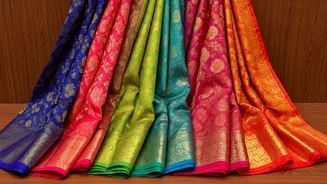
not only as a necessity but also as a statement of identity, reflecting a person's community, status, and beliefs. From the vibrant silks of the South to the intricate embroidery of the North, each region contributed its unique flair to the evolving sartorial landscape. Indian women have played an essential role in shaping this rich tapestry. Their choices, preferences, and the very act of adorning themselves have fueled the industry's evolution, constantly pushing boundaries and challenging norms. This connection goes beyond mere aesthetics; it involves a deep understanding of the cultural nuances and the power of clothing to reflect the spirit of a nation.
Early Influences & Roots
The roots of Indian fashion can be traced back to ancient civilizations. During this era, clothing was primarily functional. It offered protection from the elements and demonstrated social standing. Early designs, characterized by simple drapes like the sari for women and the dhoti for men, showcase the initial steps of fashion as a creative expression. The evolution of textile production, from hand-spun cotton to the introduction of silk, allowed for more elaborate and luxurious garments. The arrival of different empires brought in fresh designs and ideas, influencing patterns, cuts, and embellishments. The legacy of these historical influences continues to resonate in contemporary Indian fashion, where traditional craftsmanship and techniques are still valued and celebrated.
Colonial Era's Impact
The British colonial period brought massive shifts to Indian society and, by extension, its fashion. The introduction of Western clothing styles influenced the way people dressed, especially within the urban centers. Suits, dresses, and other garments were seen as symbols of modernity and status. However, the colonial rule also triggered a resistance movement. In this era, there was an increased interest in reviving traditional Indian textiles and handlooms to showcase the country's cultural identity. This period saw the rise of indigenous designers and a re-evaluation of Indian crafts as a means of self-expression and patriotism. The influence of colonialism is still apparent in the blending of Western and Indian styles, which creates a dynamic and diverse fashion scene.
Independence & Transformation
The independence era in India marked a defining moment for fashion. Post-independence, the country embraced its unique identity and fostered the development of indigenous design. As India opened up to the world, Western influences continued to play a role, but now, they were integrated with Indian styles, creating a fusion that reflected the spirit of the times. Cinema and Bollywood began to influence fashion trends, with film stars becoming trendsetters and influencing the masses. Designers started experimenting with new fabrics, cuts, and designs, building an identity which was modern and also rooted in tradition. This was a period of rapid change, where clothing reflected the evolution of a newly independent and self-assured nation.
The Rise of Designers
Over the years, the Indian fashion industry experienced the rise of a new generation of designers who were ready to transform the creative scene. These designers brought in a fresh vision by blending traditional techniques with modern designs. Designers began incorporating their unique perspectives and ideas, helping the Indian fashion scene gain international recognition. Fashion weeks and industry events provided the necessary platform for designers to display their work and push the boundaries of creativity. This era also witnessed the rise of fashion schools and institutes which helped provide talented individuals the skills necessary to advance in the industry. This focus on design, together with the support system, helped in establishing a vibrant and competitive fashion industry.
Modern Trends & Influences
Modern Indian fashion is an ever-changing landscape that mirrors the shifts in the global world. Social media and globalization have opened doors to new trends and styles, with designers and consumers having access to a worldwide range of designs and inspirations. The rise of sustainable and ethical fashion has encouraged a greater focus on eco-friendly materials, production practices, and conscious consumerism. Bollywood, music, and art continue to play an important role in fashion trends, influencing the tastes of a generation of consumers. Street style and everyday wear have become increasingly vital, encouraging a wider range of self-expression and personal style. Fashion in India is dynamic, as it responds to a range of external factors.
Women's Role Evolved
Women have always been the driving force behind fashion in India. Their choices, opinions, and actions have influenced trends. They are often the consumers, trendsetters, and creators. Through the ages, women have used fashion as a tool for self-expression, whether it's to challenge social norms, showcase their individuality, or simply feel confident. The role of women in the fashion industry has evolved, with more women than ever before taking on leadership positions as designers, entrepreneurs, and influencers. The empowerment of women is reflected in the variety of fashion options, from the revival of traditional crafts to the embrace of modern, minimalist styles. Fashion in India has played a key role in the ongoing fight for gender equality.
Sustainable Fashion's Dawn
Sustainability is fast becoming a central theme in Indian fashion. As consumers become increasingly conscious of the impact of their purchases, there is a shift towards ethical and eco-friendly practices. Designers are embracing sustainable materials like organic cotton, recycled fabrics, and handwoven textiles. The use of traditional techniques, such as natural dyeing and block printing, is on the rise, offering a way to reduce waste and promote traditional craftsmanship. Sustainable fashion in India is not merely a trend; it's a commitment to minimizing the environmental impact of the industry and creating a more responsible approach to fashion. This change reflects a larger shift in consumer values, as the fashion scene is becoming an industry that prioritizes both style and sustainability.
The Future of Fashion
The future of fashion in India is bright and dynamic, shaped by technology, creativity, and a growing commitment to sustainability. Digital platforms and e-commerce have transformed the way people discover and shop for fashion, opening up new avenues for designers and consumers. Innovation in textiles and design is at the forefront, with designers experimenting with new materials and techniques. The rise of personalized fashion, where clothing is tailored to the individual's needs and preferences, is also shaping the future of the industry. Fashion in India is also poised to play an essential role in celebrating cultural diversity and promoting inclusivity, representing a world where fashion is accessible to all.
Celebrating Indian Women
The story of fashion in India is incomplete without celebrating the role of women. Through their personal styles, professional accomplishments, and constant drive for self-expression, Indian women have become fashion's central pillars. Their contributions have shaped the evolution of fashion, and their stories are a testament to the power of clothing. This celebration highlights the continuing impact of Indian women on the fashion scene, honoring their creativity, resilience, and enduring influence. The future of fashion in India promises to be a testament to the talent and spirit of its women, who continue to shape the story of Indian fashion.