







What is Toxoplasma Gondii?
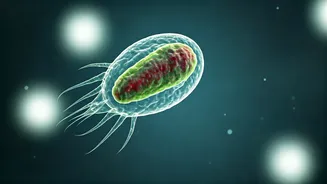
Toxoplasma gondii is a microscopic, single-celled parasite that can inhabit cats, establishing itself within their intestinal tracts. Interestingly, infected
cats often display no outward signs of illness, making them silent carriers of the pathogen. The primary route of infection for felines involves the ingestion of prey, such as rodents, or consuming raw meat that has been contaminated. Consequently, domestic cats with restricted access to the outdoors and those fed a controlled diet are typically at a lower risk compared to their hunting counterparts or outdoor-roaming cats. This understanding is crucial for pet owners aiming to manage potential health concerns associated with their feline friends, emphasizing the importance of diet and environmental control in preventing parasitic transmission.
Human Transmission Pathways
Humans can contract Toxoplasma gondii through two main avenues, both linked to the parasite's life cycle and presence in cat waste. The most direct route involves coming into contact with infected cat feces, often during the task of cleaning a litter box, especially if proper hygiene protocols are not followed. Another significant pathway is through the consumption of undercooked meat, particularly pork, lamb, or venison, which may harbour the parasite's cysts. The risk from cats is amplified when litter boxes are not cleaned regularly or when individuals handle them without protective measures like gloves. Therefore, consistent and thorough sanitation, coupled with safe food preparation practices, forms the bedrock of preventing human infection. Daily litter box cleaning, meticulous handwashing after any potential exposure, and ensuring all meat is cooked to safe internal temperatures are paramount.
Health Implications of Toxoplasmosis
While many individuals infected with Toxoplasma gondii experience no discernible symptoms, the resulting condition, known as toxoplasmosis, can manifest in various ways. For the general population, mild flu-like symptoms might occur, but in some cases, more significant neurological effects have been observed, potentially including subtle shifts in behaviour and compromised decision-making abilities. The implications become far more severe for vulnerable groups, specifically pregnant women and individuals with compromised immune systems. In pregnant women, toxoplasmosis poses a grave threat, carrying the risk of serious birth defects, tragically leading to miscarriage, or causing significant health complications for the developing fetus. For those with weakened immunity, the parasite can reactivate or cause severe systemic illness, underscoring the critical need for vigilance and preventative measures for these at-risk populations.
Behavioral Influence Research
Intriguing, though still developing, scientific inquiries suggest a potential link between latent Toxoplasma gondii infections and observable alterations in human behaviour. These studies propose that individuals carrying the parasite may exhibit a propensity for increased risk-taking activities and altered patterns of decision-making. While the exact mechanisms and the extent of this influence are subjects of ongoing research and have not yet reached conclusive findings, these observations highlight the multifaceted nature of this parasite and underscore why diligent attention to its potential impact on human health and behaviour is warranted. This area of study encourages a more comprehensive understanding of how microscopic organisms might subtly interact with complex human physiology and psychology.
Simple Prevention Strategies
Fortunately, mitigating the risks associated with Toxoplasma gondii is readily achievable through the adoption of a few straightforward, responsible habits. Foremost among these is the daily cleaning of litter boxes, always accompanied by the use of protective gloves to create a barrier against potential contamination. Thoroughly washing hands after any interaction with soil, raw meat, or cat feces is equally critical. Furthermore, ensuring all meat, especially pork, lamb, and venison, is cooked to a safe and thorough temperature significantly reduces the risk of ingesting the parasite. For feline companions, feeding them exclusively commercial pet food or thoroughly cooked meat helps prevent them from contracting the parasite in the first place. Considering keeping cats primarily indoors can also minimize their exposure to potential sources of infection like hunting prey. Embracing these practices is a testament to responsible pet ownership, ensuring the well-being of both your furry friend and your household.