
History and Origins
The Nauvari saree, also known as the Kashta saree, has deep roots in Maharashtra's history. Its origins can be traced back centuries, evolving from the traditional
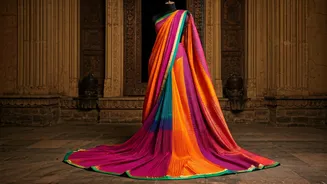
attire worn by women in the region. The word "Nauvari" translates to "nine yards", which refers to the length of the fabric used for the saree. Historically, this length allowed for greater freedom of movement, particularly useful for women involved in physical labor or martial arts. The saree's design and draping style were practical adaptations to the daily lives of women, allowing them to perform various tasks with ease. Over time, the Nauvari saree became a symbol of Maharashtrian identity, reflecting the region's rich cultural heritage. Initially, it was a garment for everyday wear, but gradually evolved into a symbol of pride and celebration, worn during festive occasions, weddings, and cultural events. The saree's unique drape, which involves tucking the fabric between the legs like a dhoti, sets it apart from other sarees, allowing for ease of movement. The Nauvari's versatility and significance have ensured its survival through generations, making it a timeless emblem of Maharashtra.
Unique Draping Style
The distinctive aspect of the Nauvari saree is its unique draping style, which sets it apart from other saree styles. Unlike other sarees where the pleats are neatly tucked in front, the Nauvari saree is draped in a way that the pleats are brought through the legs and tucked in the back, resembling a dhoti. This style provides the wearer with greater mobility, making it convenient for physical activities. This draping technique is not just for functionality; it also has symbolic importance, representing the strength and resilience of Maharashtrian women. The traditional Nauvari drape involves several steps and requires skill and practice to perfect. The process begins with securing the saree around the waist, followed by creating the pleats and tucking them in. Then, the fabric is brought through the legs and secured at the back. Finally, the remaining fabric is draped over the shoulder. This method of wearing the saree requires the use of a nine-yard fabric, which is essential to achieve the distinctive look. The drape also allows for a wide range of movements. This unique drape is not just a style; it's an emblem of empowerment, reflecting the history of the saree and the women who have worn it through the ages.
Cultural Significance
The Nauvari saree holds a central place in the cultural identity of Maharashtra. It is much more than a garment; it embodies the traditions, values, and history of the region. This saree is a common sight during festivals, weddings, and important cultural celebrations, symbolizing prosperity, femininity, and pride. Traditionally, the saree is associated with the Maratha community and is often worn by women of all ages. It is a symbol of strength and grace, representing the values of resilience and empowerment that are characteristic of Maharashtrian women. The Nauvari saree has also become a representation of Maharashtra's rich cultural heritage, often showcased in traditional dance forms and theatrical performances. The choice of colors, fabrics, and patterns in the saree are also significant. Bright hues like red, green, and yellow are popular, often adorned with traditional motifs. Wearing a Nauvari saree is seen as a way of staying connected to one's roots and celebrating the rich legacy of Maharashtra. The saree acts as a cultural bridge, connecting the past and present, ensuring that traditions are maintained for future generations.
Modern Adaptations
While deeply rooted in tradition, the Nauvari saree continues to adapt to contemporary times. Designers and wearers have found ways to incorporate the traditional garment into modern fashion. The classic nine-yard saree is still worn, but there are also variations that offer more comfort and ease of wear. Contemporary versions often use lighter fabrics and simplified draping styles, making the saree more accessible for daily wear. Many modern designers are experimenting with new colors, patterns, and embellishments, while still respecting the saree's traditional essence. This fusion of old and new allows the Nauvari saree to stay relevant, particularly among younger generations. Many women are proudly wearing the Nauvari saree to various occasions, from cultural events to everyday life. The saree is a symbol of pride and heritage for many women, whether they are in Maharashtra or living abroad. By embracing the Nauvari saree, women are able to stay connected to their culture and show off their rich traditions. This fusion has resulted in an enhanced appreciation for the saree's historical importance and timeless beauty. The adaptations ensure that the Nauvari saree remains a prominent part of Indian fashion.
The Nauvari Abroad
The Nauvari saree transcends geographical boundaries, finding a place in the lives of Maharashtrian women worldwide. Across the globe, women are embracing this iconic garment, keeping their cultural ties alive. The Nauvari saree is a symbol of heritage for those living away from their homeland. For many women, wearing the saree is a way of remembering and celebrating their roots, wherever they may be. There is a sense of pride and belonging associated with donning the Nauvari, especially during festivals, cultural events, and family gatherings. Whether in Canada, the United States, or other parts of the world, the Nauvari saree serves as a vibrant reminder of the wearer's cultural identity. In many diaspora communities, the saree connects generations, passing down traditions and stories to the younger members of the family. The global presence of the Nauvari saree highlights the resilience and enduring significance of cultural heritage. Through embracing and sharing this timeless garment, women are keeping their roots alive, no matter where they are in the world. The Nauvari saree is a bridge to the past and a symbol of pride for women worldwide.