




Khichdi's Many Forms
Khichdi holds a special place in Makar Sankranti feasts. It's not just a dish, but a symbol of the festival itself. In Bihar and Uttar Pradesh, you'll
find numerous versions of khichdi, each with its unique blend of ingredients and flavors. The basic khichdi recipe typically involves rice and lentils cooked together, but the specific combination of lentils and the addition of vegetables and spices vary from household to household. Some families prefer a simple khichdi with just rice, moong dal, and a touch of turmeric, while others add cauliflower, peas, and carrots for extra flavor and nutrients. This staple dish is often served with ghee and papad, elevating the dining experience.
Til Laddoo Delights
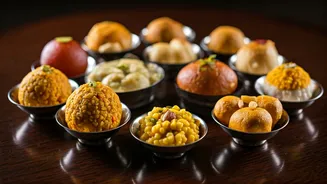
Til laddoos, made with sesame seeds and jaggery, are a must-have sweet treat during Makar Sankranti. The sesame seeds are roasted to a golden brown color, releasing their nutty aroma and flavor. These are then mixed with melted jaggery, often with the addition of cardamom and other aromatic spices. The mixture is then shaped into round balls, and they are allowed to cool and harden. Til laddoos represent the warmth and prosperity of the season, and their consumption is considered auspicious. Variations include til chikki, which is a flat, brittle version of the same treat, and sesame seed-covered sweets.
Gur ki Gajak Bliss
Gur ki gajak, a crunchy and sweet confection made from sesame seeds and jaggery, is a favorite during Makar Sankranti, and its popularity is undeniable in both Bihar and Uttar Pradesh. The preparation involves roasting sesame seeds until they are fragrant, then mixing them with melted jaggery and a touch of ghee. This mixture is spread out thinly on a flat surface and allowed to cool and harden, resulting in a brittle, flavorful treat. Gajak's satisfying crunch and sweet taste make it a perfect snack for the festive occasion. The simplicity of ingredients and the ease of preparation make it a widely enjoyed sweet.
Pitha: Steamed Goodness
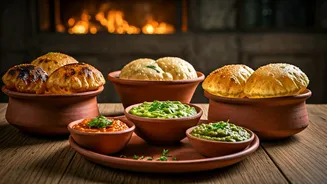
Pitha, a type of steamed or fried dumpling, holds cultural significance in various parts of Bihar. The fillings of pitha can vary widely, but common ingredients include lentils, vegetables, and spices. The outer covering is typically made from rice flour or a similar grain. The pitha is then steamed or fried until cooked through. These savory delights showcase the local culinary creativity, and each family often has its unique pitha recipe. They are often served with chutney, pickles, or even a side of sweet sauce for a delightful contrast of flavors.
Dahi Chura Feast
Dahi chura is a simple yet satisfying dish that's commonly eaten during Makar Sankranti. It is a mixture of flattened rice (chura) and yogurt (dahi), often served with jaggery and a sprinkle of sugar. The combination of textures and flavors makes it a light yet fulfilling meal, ideal for the festive occasion. The slight tanginess of the yogurt and the sweetness of the jaggery complement each other perfectly. In some regions, Dahi Chura is also spiced up with green chillies or other condiments. It's an easy dish, and it often represents the everyday flavors of both regions.
Litti Chokha’s Appeal
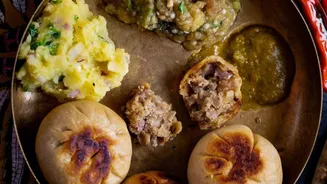
Litti Chokha, a beloved dish of Bihar, is a must-try during Makar Sankranti. The litti is a baked or fried dumpling made from whole wheat flour, filled with a spiced mixture of sattu (roasted gram flour). Chokha, on the other hand, is a mashed dish made from roasted vegetables like eggplant, tomatoes, and potatoes. The smoky flavor of the roasted vegetables, combined with the savory stuffing of the litti, is a delightful culinary experience. The dish is often served with a dollop of ghee and a side of chutney, and this combination defines Bihar's rustic culinary heritage.
Sweet Gud Pua
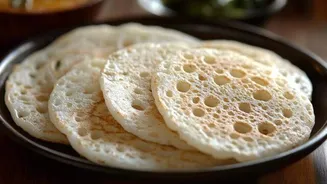
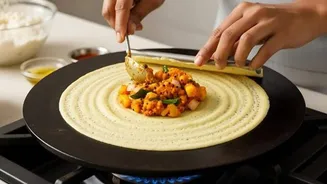
Gud Pua, a sweet pancake made with jaggery, is a festive favorite in both Bihar and Uttar Pradesh. The batter typically includes flour, jaggery, and sometimes spices like cardamom and fennel. The batter is then fried until golden brown and puffed up. The sweetness of the jaggery, combined with the soft texture of the pancake, makes it a delightful treat for all age groups. Gud Pua is a popular offering during religious ceremonies, and it's also enjoyed as a dessert. In some variations, the pua may be soaked in a sugar syrup to further enhance the sweetness and taste.
Mawa/Malpua’s Presence
Malpua, a deep-fried pancake soaked in sugar syrup, is a popular sweet dish during Makar Sankranti, especially in Uttar Pradesh. The batter is made with flour, milk, and often a touch of cardamom for flavor. The pancakes are deep-fried until golden and then soaked in a sugar syrup infused with saffron or other spices. The resulting malpuas are sweet, rich, and delicious, perfect for celebrating the festival. The creamy texture and sweetness of the malpua are quite appealing. In some regions, the malpua is served with rabri (sweetened condensed milk) or garnished with nuts for added flavors.
The Tilkut Tradition
Tilkut is another popular sweet treat made with sesame seeds and jaggery, often enjoyed during Makar Sankranti in Bihar. This sweet is made by mixing roasted sesame seeds with melted jaggery and molding them into different shapes and forms. Tilkut has a nutty flavor and a satisfyingly crunchy texture. It is a traditional treat that signifies the warmth and joy of the festival. Families often prepare tilkut at home, passing down recipes through generations. It is also available in various shops and sweet stalls, especially during the festive season.
Revri's Sweetness
Revri, a crunchy sweet made with sesame seeds and jaggery, is a festive staple, especially during Makar Sankranti. The sesame seeds are combined with jaggery to make a brittle, creating a light, crispy texture with a rich, sweet taste. Revri is often enjoyed as a snack during the festivities. These bite-sized treats are easy to eat and carry, making them a popular choice for sharing and gifting. The preparation of revri is a culinary art that is passed down through families, and the aroma of the cooking ingredients is a hallmark of the festive spirit.