







Gold's Ascending Trend
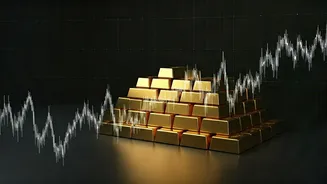
Gold prices have recently hit new records, spurred by worries related to international trade disagreements and the declining value of the dollar. This
trend reveals gold's enduring status as a safe investment, especially when other financial markets appear risky. Investors are often drawn to gold during times of uncertainty, as it tends to maintain or increase its value. This recent rally shows the global community's sensitivity to economic uncertainties and the significance of gold in diversifying investment portfolios. The dollar's fluctuations also significantly impact gold. As the dollar weakens, gold becomes more attractive to investors holding other currencies, which can further elevate its price. The ongoing demand for gold highlights its crucial role in financial strategies and its ability to withstand market pressures.
Trade War’s Influence
The escalating trade tensions between major economic powers have significantly boosted gold's appeal. When uncertainty reigns in the global economy, as it does with trade disputes, investors often turn to gold as a secure asset. It acts as a shield against potential losses in other, more volatile markets. The uncertainty around these disputes leads many investors to perceive gold as a safe harbor, especially when conventional investment instruments appear more vulnerable. This flight to safety contributes to the price increase, reinforcing gold's reputation as a reliable store of value. These patterns emphasize the importance of understanding geopolitical dynamics when evaluating investment opportunities and showcase how global tensions can directly affect the value of precious metals.
Dollar's Impact on Gold
The performance of the U.S. dollar plays a significant role in determining gold prices. A weakening dollar often results in higher gold prices because gold becomes less expensive for investors who use other currencies. The reverse is also true; when the dollar strengthens, gold can become less appealing, which might stabilize or lower its price. This inverse relationship makes gold a useful tool for hedging against currency risks. Many investors use gold as a way to diversify their portfolios and protect against the negative impacts of currency fluctuations. The dollar's strength or weakness thus acts as a crucial indicator for gold's price movements, affecting investment decisions globally. The relationship also underscores how the global financial market is deeply interconnected.
Investment Strategies Evolved
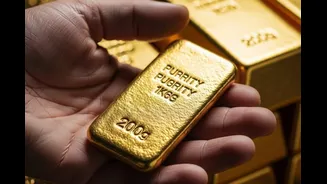
In today’s markets, strategies for investing in gold are varied. Investors can opt for physical gold, such as bars or coins, or explore gold-related financial instruments like ETFs and futures contracts. Each method offers its own benefits and drawbacks, influenced by investors' risk tolerance and financial objectives. For those prioritizing safety, physical gold remains a traditional choice, providing a tangible asset. Gold ETFs offer a more accessible method, trading on major exchanges and providing liquidity. Futures contracts enable investors to speculate on gold's future price movements, thus presenting a more leveraged investment. The decision should align with individual investment goals. Careful consideration of market volatility and the impact of global economics is necessary to make informed investment choices.
Market Outlook Ahead
Looking forward, the gold market's trajectory appears influenced by the ongoing global trade discussions and the state of the dollar. Experts forecast that continued trade uncertainties could further strengthen gold's price, establishing it as a secure asset. Fluctuations in the dollar's value will remain a key factor impacting the market, with potential for rising gold prices if the dollar weakens. However, analysts also note that broader economic changes, such as shifts in central bank policies and overall economic growth, will influence gold's valuation. Investors should closely monitor these factors and remain informed to manage the risks and opportunities linked to gold investments. Considering these elements helps formulate informed strategies that align with economic conditions and financial goals, ensuring efficient portfolio diversification.