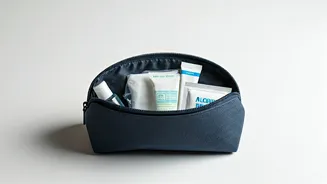








The Hygiene Pouch Debate
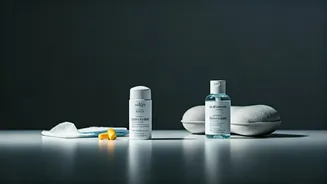
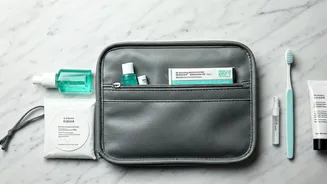
Actress Shweta Tiwari's mention of a personal hygiene pouch, complete with gloves, tissues, sanitiser, toilet seat covers, soap, and intimate wipes, has
sparked a conversation about travel essentials. While many women can relate to the desire for personal cleanliness in public spaces, particularly during travel, the question arises from a medical perspective: how indispensable are these items? Dr. Geeta Jain, a Gynaecology and IVF expert, offers insights into what constitutes genuine infection prevention, suggesting that while convenience is undeniable, an overflowing pouch doesn't automatically equate to superior protection. The focus, she emphasizes, should be on understanding what fundamentally safeguards health rather than accumulating a multitude of products.
Core Infection Prevention
According to Dr. Geeta Jain, the cornerstone of preventing infections, especially when travelling, is impeccable hand hygiene. Having readily available soap and water, or consistently using a hand sanitiser, coupled with clean tissues, forms the most significant barrier against germs. While additional items like toilet seat covers or sanitising sprays might offer a sense of security, Dr. Jain clarifies that they are largely optional. The transmission of most infections through direct contact with a toilet seat is statistically low, making these items less critical from a medical standpoint than fundamental practices of cleanliness. Prioritizing hand washing and sanitisation remains the most impactful strategy for safeguarding personal health.
Sprays and Seat Covers
Products marketed as 'pee-safe' sprays and disposable toilet seat covers are often presented as crucial protective measures for travellers. Dr. Jain explains that while these items can indeed reduce the presence of surface germs and offer a degree of psychological comfort, they are not infallible shields against illness. Their utility lies primarily in minimizing potential surface contamination. However, an over-reliance on such sanitising aids, particularly when it comes to intimate hygiene products, can inadvertently disrupt the body's natural defence mechanisms. The female body hosts a delicate ecosystem of beneficial microbes that naturally ward off harmful organisms. Interfering with this balance, she warns, may paradoxically increase vulnerability to irritation and infections rather than prevent them.
Intimate Wipes' Impact
The regular application of intimate wipes, especially those containing fragrances or harsh chemicals, carries the potential to upset the delicate pH balance of the vaginal area. Dr. Jain elaborates that this disruption can negatively affect the natural microbiome, which is vital for maintaining vaginal health. Women with sensitive skin may find this risk even more pronounced. Such imbalances can manifest as dryness, itching, irritation, and in some instances, contribute to recurring infections. The expert advises that for most individuals, simple cleansing with water, and minimal use of external products, is sufficient to sustain intimate well-being. The vagina possesses a remarkable self-cleaning capacity, and introducing too many foreign substances can easily upset this natural equilibrium, potentially leading to unintended health consequences.