
Color Care Fundamentals
Understanding the science behind colour fading is key to preserving your vibrant hue. When hair is dyed, its outer surface, or cuticle, is altered. If
this layer remains smooth, it reflects light beautifully, making your colour appear rich and dimensional. However, friction, dryness, and chemical processes can roughen the cuticle, causing light to scatter. This scattering leads to a dull appearance, even if the pigment itself hasn't significantly diminished. Therefore, effective after-colour care focuses on maintaining the hair's smoothness and its ability to reflect light, ensuring that vibrancy is as much about shine as it is about pigment. This means adopting habits that keep the hair cuticle intact and resilient.
Smart Washing Habits
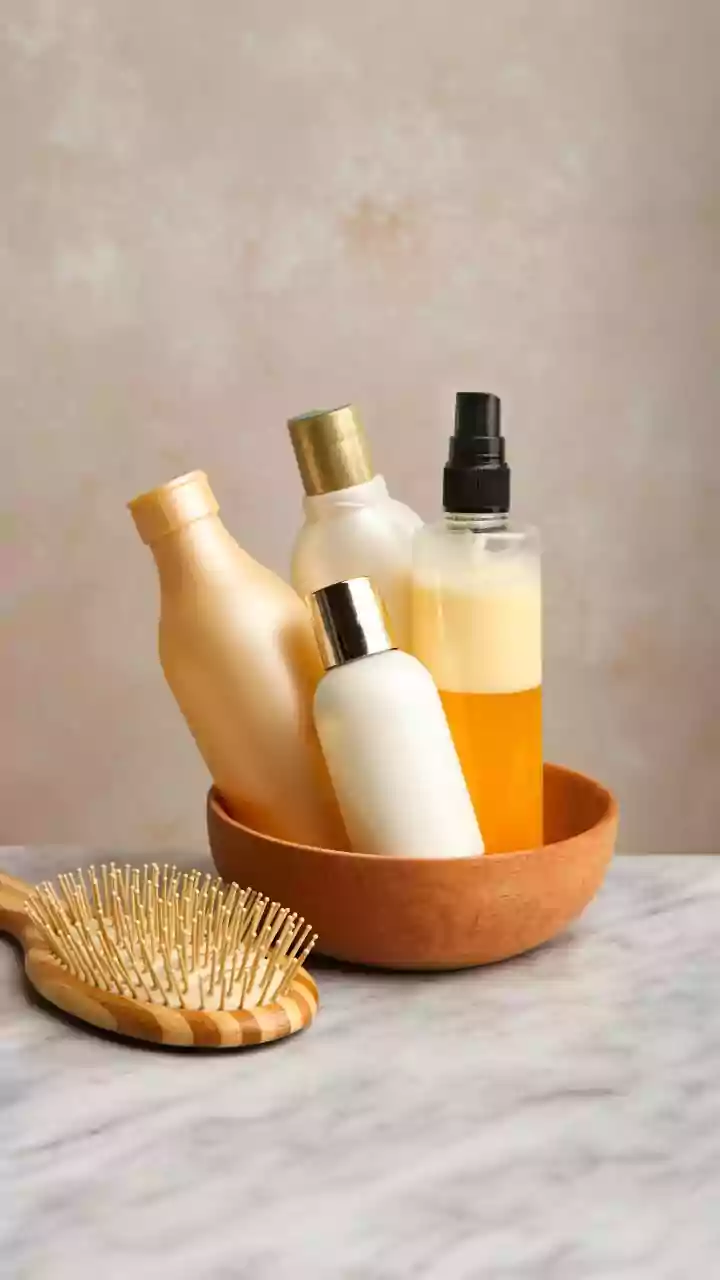
The frequency and type of shampoo you use dramatically impact the longevity of your hair color. Regular shampoos, particularly those containing sulfates, can be harsh, causing the hair shaft to swell and releasing dye molecules more rapidly. Opting for color-safe formulas is essential; these are designed to cleanse gently, effectively trapping the colour within the hair structure for a richer, longer-lasting shade. Furthermore, reducing how often you wash your hair can significantly extend the life of your colour. Each time hair is washed, dye molecules are slightly loosened and can escape, so washing less frequently allows these molecules to remain anchored, preserving the intensity of your hue for a more extended period.
Deep Conditioning Power
Colour-treated hair often suffers from dryness, especially in the mid-lengths and ends, where it loses pliability. To combat this, incorporating a weekly deep conditioning treatment is vital. These masks are formulated with nourishing ingredients like fatty alcohols, beneficial plant oils, and conditioning polymers. Their purpose is to penetrate the hair shaft, smoothing the outer surface and restoring essential moisture. This replenishment helps to rebuild the hair's structure, making it more resilient and improving its slip, which is the ease with which strands glide over each other. This prevents tangling and breakage, contributing to an overall healthier appearance and feel.
Combatting Heat & Sun
Styling tools and environmental factors like the sun pose significant threats to dyed hair. The high temperatures generated by hair dryers, straighteners, and curling irons can break down the chemical bonds that hold hair colour. Similarly, prolonged exposure to ultraviolet (UV) radiation from the sun can degrade both artificial colorants and the hair's natural proteins. To protect your colour, it's crucial to integrate heat-protectant products into your styling routine and to use post-wash serums that contain UV filters. Additionally, making an effort to shield your hair from direct sunlight, especially during peak hours, will further help in preserving the vibrancy and integrity of your dyed locks.
The Role of Trims
Split ends are more than just an aesthetic concern; they can actively compromise the health and appearance of your entire hair strand. Damage at the ends, if left unattended, has a tendency to travel upwards along the hair shaft. This upward progression can weaken the hair, making it more prone to breakage and frizz, and ultimately causing the colour to look dull and lifeless. Regular trims are therefore an essential part of maintaining colour-treated hair. By consistently removing these weakened sections before the damage can ascend, you prevent further deterioration and ensure that the majority of your hair remains strong, smooth, and able to reflect light effectively, thus keeping your colour looking its best.
Battling Environmental Enemies
Beyond styling tools, everyday environmental elements can silently degrade your hair colour. Hard water, laden with minerals like calcium and magnesium, can build up on hair strands, dulling the shade, especially affecting blonde tones by making them appear brassy. Periodic clarifying treatments can help remove this mineral deposit before it compromises colour integrity. For active individuals, gym workouts introduce further challenges. Chlorine in swimming pools can react with hair dyes, altering hues and causing dryness, while sweat and salt buildup can necessitate more frequent washing, accelerating colour fade. Even tight hairstyles and aggressive brushing can cause mechanical stress, roughening the hair surface and diminishing its shine and colour vibrancy.