







The Boycott Decision
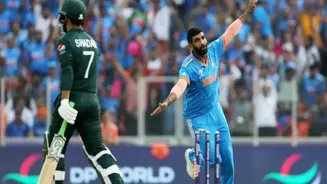
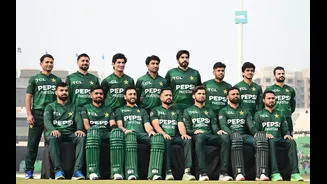
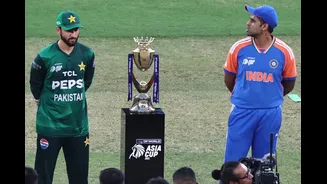
Pakistan's potential boycott of their T20 World Cup match against India is the main topic. This comes as a response to various factors, with the specific
reasons still unfolding. The International Cricket Council (ICC) is concerned by this development and has communicated directly with the Pakistan Cricket Board (PCB), warning them of the potential ramifications of the boycott. The ICC has expressed its worry about the 'long-term implications for cricket' within Pakistan, indicating that such a move could have far-reaching effects on the sport's development and popularity in the country. The details of the boycott are still emerging, but the situation underscores the complex relationship between the two teams and the broader geopolitical context influencing sporting events.
Super 8s Path
The decision to boycott the match with India directly impacts Pakistan's chances of progressing to the Super 8s stage of the T20 World Cup. The tournament format's structure means that every match counts, and a forfeited game could result in a loss of points, making it harder to advance. Pakistan's performance in the group stage is now critical, with every match presenting an opportunity to gain points. A victory is essential to improve its chances, while a loss could have serious implications. The team's overall strategy and the outcome of the matches will significantly determine whether Pakistan advances to the next stage. The boycott adds an additional layer of complexity and uncertainty to their quest for success in the competition. The consequences extend beyond the immediate game, influencing the overall tournament trajectory for Pakistan.
ICC's Concerns
The ICC's response to Pakistan's potential boycott reflects the governing body's commitment to maintaining the integrity and fairness of the T20 World Cup. Their warning emphasizes the importance of participation and upholding the spirit of the game. The ICC's concern highlights the need for all nations to adhere to the rules and regulations. The potential boycott could set a damaging precedent, where a team might refuse to participate for non-sporting reasons. The ICC's caution to the PCB is meant to encourage dialogue and find a resolution that respects the sporting principles while recognizing the geopolitical sensitivities that can be involved. The ICC is actively working to prevent the situation from causing any lasting damage to the tournament's overall success.
Cricket's Implications
The ramifications of a Pakistan boycott extend beyond the immediate match, potentially affecting the future of cricket within the nation. The absence of Pakistan from a major tournament could impact fan interest, sponsorship deals, and the overall development of the sport. The financial aspects of the game in Pakistan could also suffer, leading to reduced investment in infrastructure, coaching programs, and youth development. Furthermore, a boycott could isolate Pakistan from the international cricketing community, creating challenges in hosting future tournaments. The long-term success of the Pakistan cricket team relies on its continued participation in international events, and any disruption could have a substantial impact on the sport in the nation for years to come. The PCB has to carefully consider all these factors and assess the best course of action.