







The Gut-Brain Highway
The intricate relationship between our digestive system and brain is mediated by a sophisticated communication network known as the gut-brain axis. This
bidirectional pathway involves constant dialogue through neural, hormonal, and immunological signals, allowing each organ to influence the other. A healthy gut environment actively supports the production of crucial brain chemicals that regulate mood, enhance focus, and contribute to overall mental clarity. This ongoing exchange underscores why nurturing our digestive health is vital for maintaining cognitive function and emotional equilibrium. The continuous flow of information ensures that imbalances in one area can readily manifest in the other, highlighting the interconnectedness of our physical and mental states.
Nerves, Hormones, and Signals
At the core of this communication is the vagus nerve, a critical conduit transmitting signals directly between the gut and the brain. When the gut's microbial ecosystem is in balance, it fosters an environment conducive to superior brain performance and greater emotional stability. Furthermore, the gut plays a pivotal role in synthesizing neurotransmitters, those essential chemical messengers that govern numerous brain functions. A significant proportion of these neurotransmitters, such as serotonin, are instrumental in regulating mood and are involved in complex cognitive processes. This chemical manufacturing capacity within the gut demonstrates its profound impact on our internal emotional landscape and mental acuity.
Microbiome's Mental Role
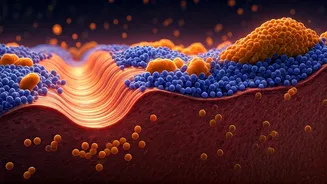
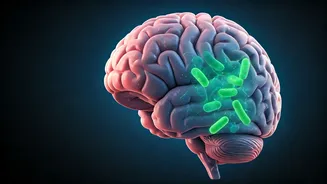
Our gut harbors trillions of microorganisms, collectively termed the gut microbiome, which exists in a delicate equilibrium. Disruptions to this complex community can significantly affect our emotional state and cognitive abilities. When this microbial balance is compromised, it has been observed to impact emotional health and cognitive functions like memory and concentration. Emerging research even suggests a potential correlation between gut dysbiosis and mental health conditions, including anxiety and depression, although it is important to acknowledge that numerous other factors also contribute to these conditions. Understanding this intricate interplay is key to appreciating the gut's influence on our mental well-being.
The Second Brain Revealed
The digestive tract is frequently referred to as the 'second brain' due to its extensive and complex network of nerve cells, known as the enteric nervous system. This specialized neural system independently manages a multitude of digestive processes, from nutrient absorption to waste elimination. Crucially, it also maintains continuous communication with the central nervous system, relaying vital information. The sheer quantity of nerve cells within the digestive tract—millions in number—highlights its sophisticated operational capacity, regulating digestion, hormone secretion, and influencing certain neural signals that reach the brain, further cementing its 'second brain' designation.
Nurturing Gut for Brain
While improving gut health alone cannot resolve mental health conditions, it can significantly contribute to overall well-being and act as a valuable supportive measure. Adopting healthier dietary and lifestyle habits can positively impact both gut and brain function simultaneously. A well-balanced gut microbiome aids in better digestion, reduces systemic inflammation, and helps regulate key brain chemicals associated with mood and cognitive performance. Simple lifestyle adjustments, including consuming fibre-rich foods, fruits, vegetables, and probiotic sources, coupled with regular exercise, adequate sleep, and effective stress management, can bolster this crucial connection. Maintaining a healthy gut supports optimal nutrient absorption and chemical regulation vital for mental clarity.